What is the Crab Walk and why is it valuable?
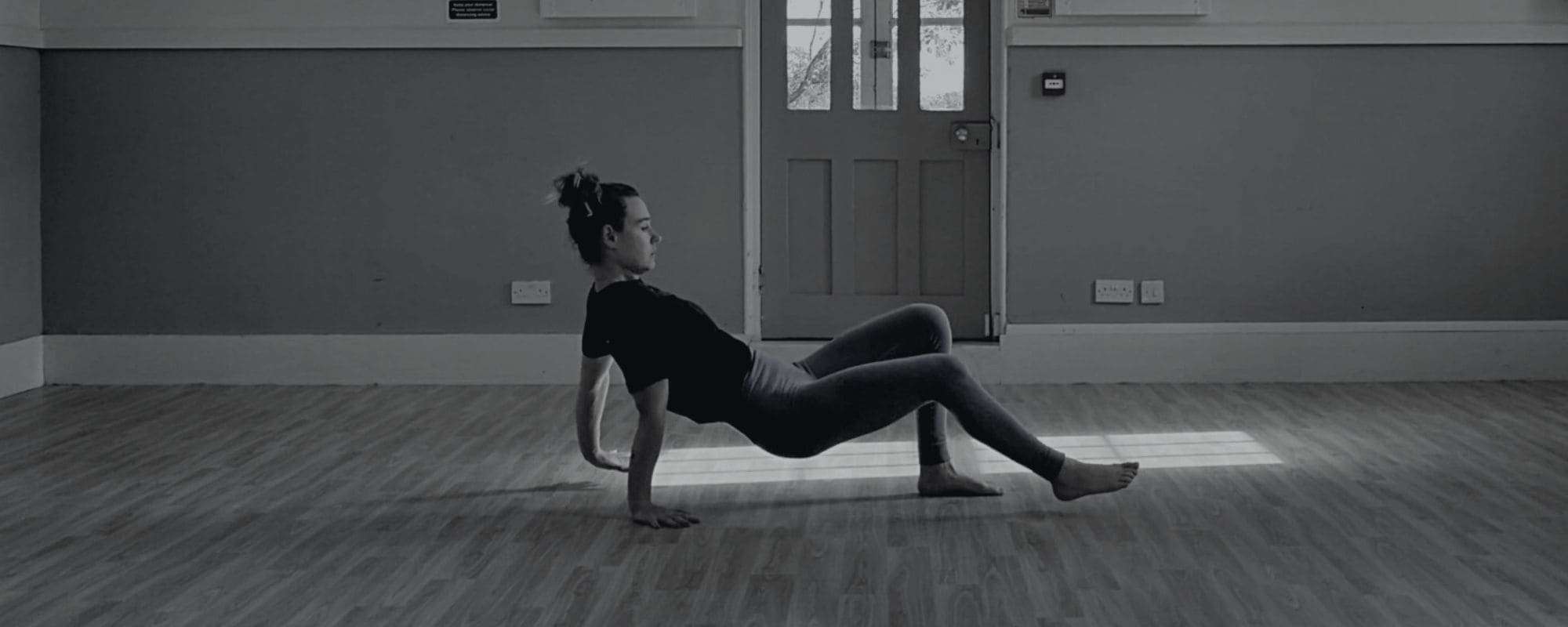
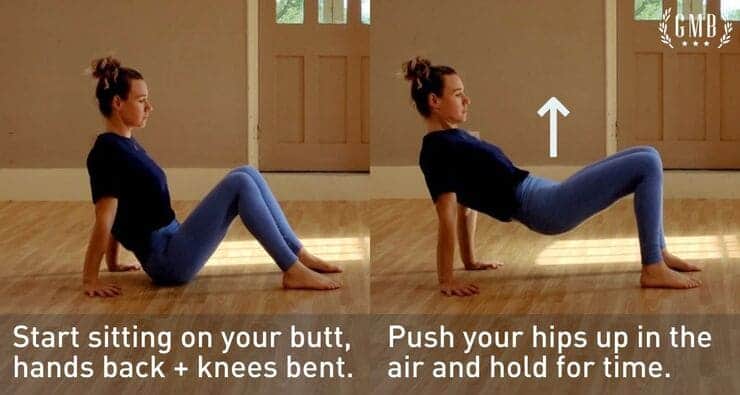
The Crab Walk is a locomotion exercise where you travel on your hands and feet with your hips lifted, training the belly-up position most adults avoid. It's one of the "animal" movements used in gymnastics and martial arts, forming a core part of the GMB Fitness Elements program alongside the Bear, Monkey, and Frogger. This movement builds shoulder, chest, and back strength while improving hip mobility and spinal control, requiring no equipment. Starting from a seated position with knees bent and hands behind you, lift your hips and step with opposite hand and foot. Keep your hands close to your body to maintain stability and pull your shoulders down to avoid strain, making it effective for full-body conditioning and coordination.
How do I set up and move in the Crab Walk with proper form?
Begin by sitting on the floor with knees bent and feet flat, hip-width apart, placing both hands flat on the ground behind you. Press through your hands and feet to lift your hips so only your hands and feet touch the ground. Move forward by stepping with your left foot and right hand simultaneously, then your right foot and left hand, repeating this diagonal pattern. Avoid reaching your hands too far behind you—keeping them tucked close to your hips prevents instability and excessive difficulty. Actively depress your shoulders by pulling them down away from your ears to maintain a strong position and prevent hip sagging. If your wrists feel strained, which is common initially, incorporate a wrist strength and flexibility routine and increase practice gradually to build tolerance.
What muscles and skills does the Crab Walk develop?
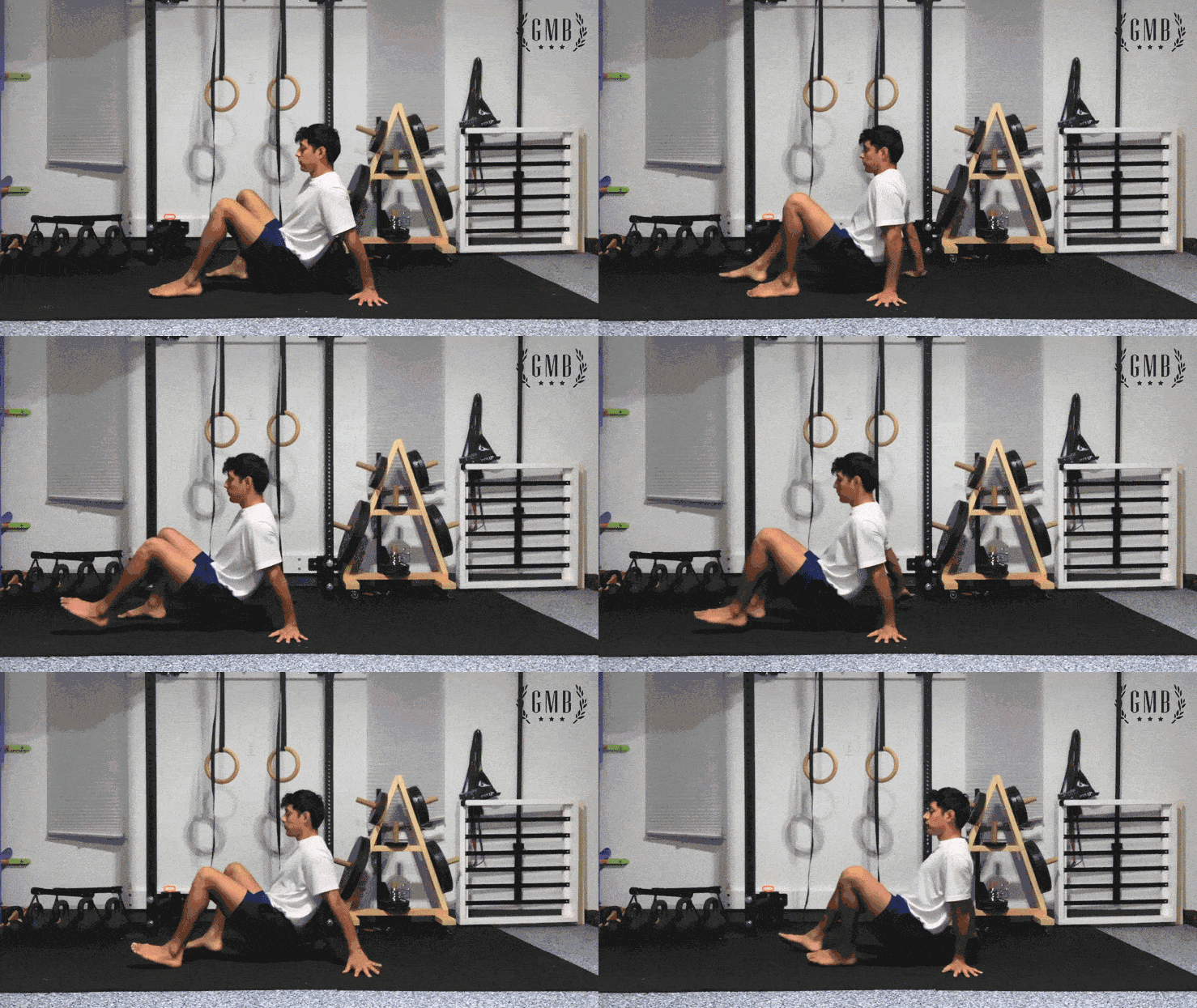
The Crab Walk develops strength in muscles and positions most adults have neglected since childhood. When your hands are planted behind you and your hips are lifted, your shoulder blades work through concentric and isometric protraction, eccentric retraction, and eccentric control of elevation—movement patterns you rarely use in daily life. The rotator cuff simultaneously controls eccentric internal rotation and trains concentric and isometric external rotation, while your spine stabilizes through isometric extension, rotation, and flexion. The position also demands hamstring and calf flexibility and builds hip strength and mobility that transfers to other locomotion movements. Lateral walks add coordination for side-to-side travel, and underswitches to table top develop the motor control needed to flow between positions. This full-body engagement—done with no equipment—makes the Crab a foundation for skills like the L-sit and for smooth transitions between ground movements. In the Elements program, it's practiced alongside other locomotion patterns because together they rebuild the kind of body control that carries into everything else you do.
What are the main variations of the Crab Walk?
There are four Crab Walk variations, each building on the same base position—straight arms, bent legs, hips lifted. The Basic Crab Walk moves you forward and backward by stepping opposite hand and foot in alternating pattern. Crab Lateral Walks shift the travel direction side to side, which adds motor control and coordination challenges you don't get from forward movement alone. The Crab Underswitch To Table Top introduces a core rotation: from the Crab position, you rotate your body to land in a table top position with your chest facing up, then rotate back. Crab Walks Underswitch To Table Top combines this rotation with forward and backward travel. If shoulder stability is your primary goal, prioritize the Underswitch to Table Top—it demands more control through the rotation than the lateral walks do. Once that movement feels solid, explore the others with the stability you've built. All four variations require no equipment and have been used in gymnastics, martial arts, and strength and conditioning for decades. Choose one that challenges you while allowing good form, and progress from there.
How can I integrate the Crab Walk into my training routine?
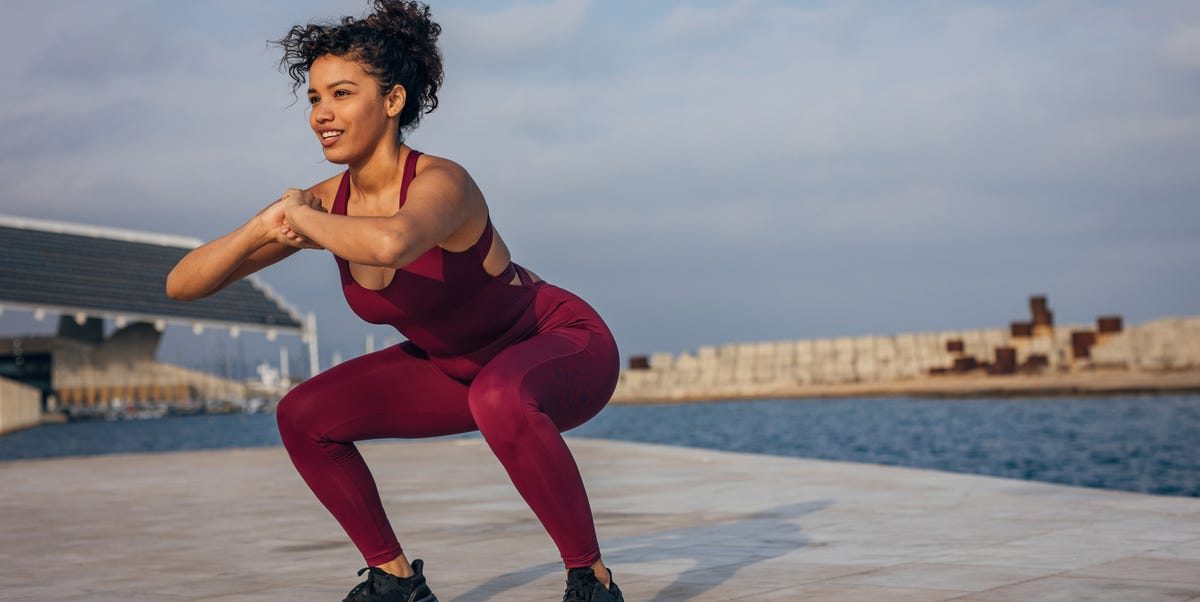
The Crab Walk is a locomotion movement—meaning it moves your whole body through space—and it pairs well with several training goals. For single-leg strength work like pistol squats and shrimp squats, the Crab builds the hip mobility and strength those movements demand. Spending time on your squat alongside the Crab helps the whole lower body work together. Run the Crab for a set stretch of time and you've got a conditioning workout that also reinforces coordination and core strength in the belly-up position. That position is the same base you need for skills like the L-sit and for transitioning smoothly between movements on the ground. The Crab connects directly to other locomotion patterns used for decades in gymnastics, martial arts, and strength and conditioning: getting comfortable here carries over to movements you haven't even tried yet. Practiced together, these patterns rebuild body control that makes everything else feel easier. No equipment is required, so the Crab can fit into almost any routine.
How should I progress through Crab Walk variations?
Each Crab variation builds on the one before it, and the order you learn them matters. Start with the basic Crab until the position itself feels stable. From there, prioritize the Underswitch to Table Top—it flows between the Crab and a floating table top position, and it's the variation that most directly builds the shoulder stability other Crab movements depend on. Only once that feels solid should lateral walks and a combined forward-and-backward variation with underswitches enter your practice. This sequence—stability first, coordination second, combined challenge third—ensures each layer has a foundation underneath it. Pick a variation you can execute with good form that still challenges you, and you'll build lasting capability rather than compensating through movements you haven't yet earned.
How do I build the strength required for the Crab Walk?
The Crab Walk puts you in a position you almost never use as an adult: belly-up, weight on your hands, hips lifted. If it feels like too much right now, the path forward is to work the Bear first. The Bear is a locomotion movement that builds shoulder strength in a more accessible position—hands and feet on the ground, chest facing down—so your shoulders can handle load before you ask them to support you from behind. Pair that with a dedicated strong shoulder routine to address the specific demands the Crab places on those muscles. Once the Bear feels comfortable and your shoulders are stronger, come back to the Crab and start with the static reverse table top hold: hands and feet on the ground, hips lifted, holding for time. Build from one or two seconds up to ten or more. This progression—from Bear to static hold to Crab travel—rebuilds the shoulder capacity and comfort in the belly-up position that the Crab requires. It's slower than jumping straight in, but it's the path that sticks.