The Dead Fish Handshake Is a Clinical Finding
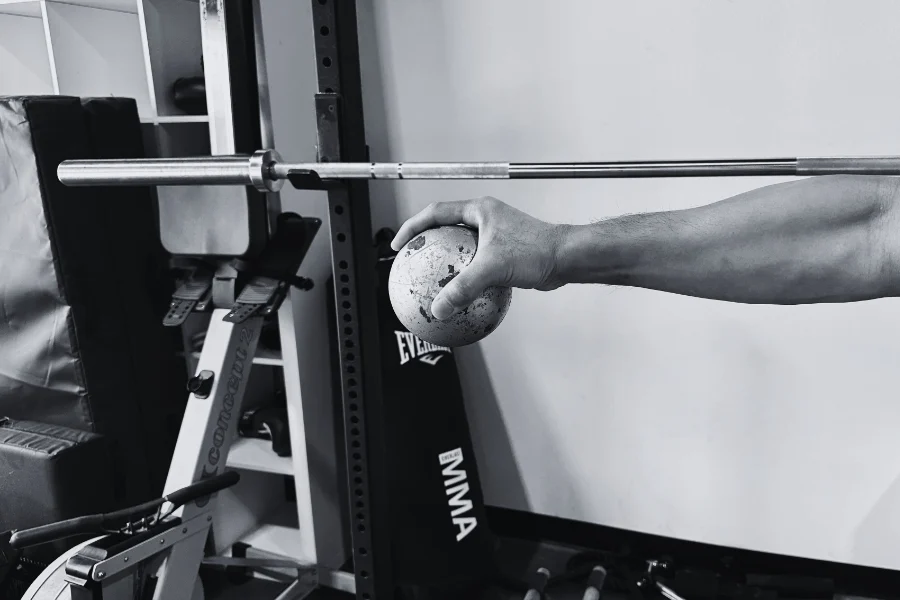
A limp handshake is more than a social faux pas; it is a screening result. Research compiled by GMB Fitness and the fitness outlet Nourish Move Love both point to the same numbers: grip strength below 59.5 pounds for men and 35.3 pounds for women flags probable sarcopenia, the age-related loss of muscle mass that predicts loss of balance, falls, and fractures.
The link is so robust that grip is now a standard proxy for systemic health in longitudinal studies, in the same way blood pressure is. But the association cuts both ways. A mechanic GMB Fitness tested hit far above the average on a dynamometer because of years of wrenches, yet the authors point out that a strong squeeze alone won't outrun the effects of smoking or a sedentary life. The grip is a window, not the cause of longevity—what builds it is an active lifestyle, and the grip tells you whether that lifestyle is present.
Four Grips, One Anatomy, Two Muscle Groups
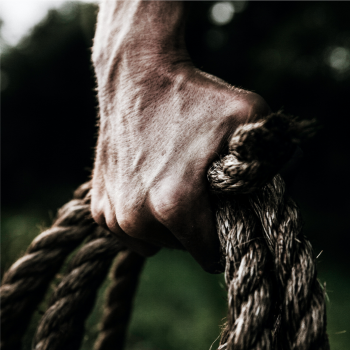
Grip is not a single movement. GMB Fitness breaks it into four distinct categories: crushing (compressing a soda can), holding (carrying a grocery bag without squeezing it), pinching (holding a key between thumb and fingers), and lumbrical grip (the flat-C shape of typing or playing a guitar).
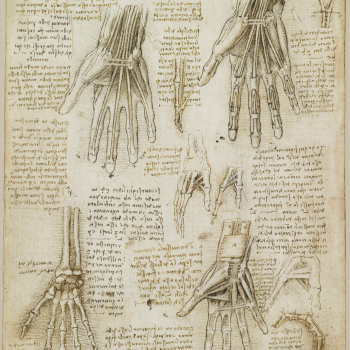
The machinery behind all four is divided between intrinsic muscles inside the hand—the thenar and hypothenar muscles at the bases of the thumb and pinky, four lumbricals along the palm, the interosseous muscles between the metacarpals—and the extrinsic muscles of the forearm that drive the fingers through long tendons. The flexor digitorum profundus and superficialis flex the distal and proximal finger joints respectively, while the pronator teres stabilizes the palm-down position. A capable hand needs both groups; a gripper alone works only the crushing motion.
The Average Grip, Measured in Pounds
Reference values from dynamometer testing give a concrete baseline for the dominant hand. A woman aged 25-29 averages 65.1 pounds; a man in the same bracket averages 108.5. The numbers peak early—women reach their max around the mid-30s, and men in the 35-39 bracket hit 110.2 pounds before a steady decline sets in. A practical self-test requires no equipment: if you can hang from a pull-up bar for a few seconds with both hands, your grip is at least half your body weight. These norms also shift with age, so what counts as acceptable in your 20s differs from what holds in your 50s.
A 20-Minute Protocol for Hands That Work
The most effective grip work needs no specialized equipment, and the protocol fits at the end of an existing session, two to three times per week. For the holding, pinching, and lumbrical grips, GMB Fitness recommends 3 to 4 sets of 2 to 3 exercises with hold times of 20 to 60 seconds each: hanging from a bar for time, pinching weight plates between thumb and fingers, and gripping a rolled towel.
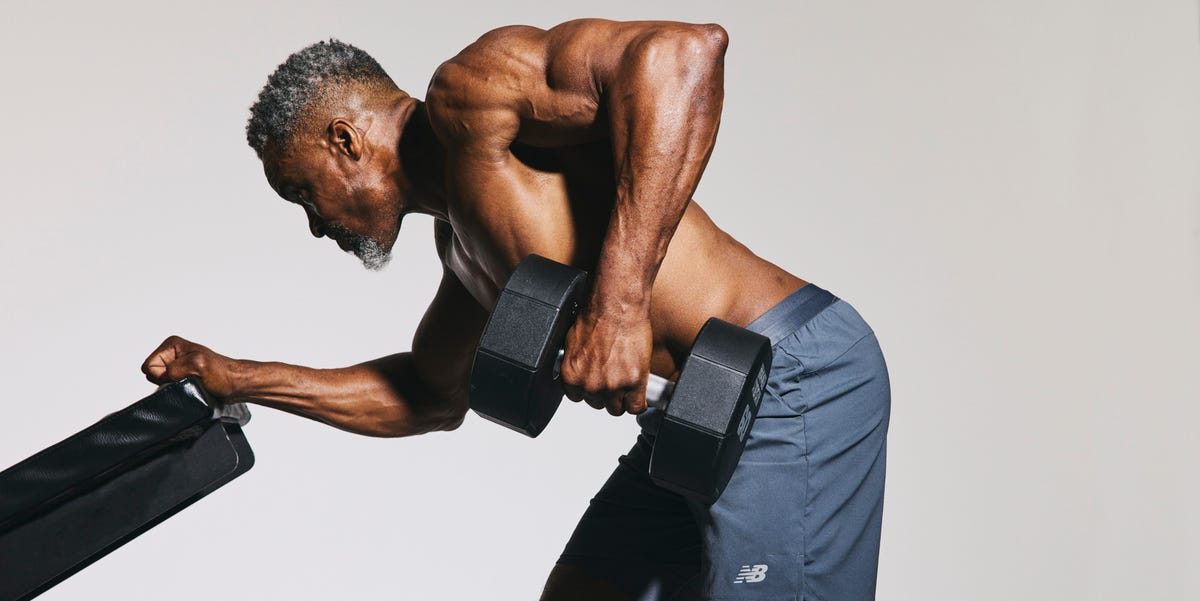
For crushing strength, the prescription is heavier and shorter—multiple sets of just a few repetitions with hand grippers or pliers cutting through varied objects, performed at most twice or three times weekly. Nourish Move Love suggests choosing 3 to 5 exercises from a list that includes reverse dumbbell curls, supinated wrist curls, farmer's carries, and the dead hang, with modifications for the bar hang: use a waist-high bar and walk your feet out to load or unload the hold. Both sources stress treating the hands as a recovery-limited tissue; 2 to 4 weeks yields noticeable change, with meaningful gains at 6 to 8 weeks.
Why Your Gym Routine Already Covers This
For most trainees, dedicated grip work is redundant if the program includes pulling movements and carries. GMB Fitness notes that clients in their Elements program see wrist strength improvements within two weeks solely from locomotion-based training—crawling, hanging, and shifting weight onto the hands. These movements necessarily load the intrinsics and forearms in a way that isolated crushing does not. A full-body approach with pull-ups, carries, and crawling provides enough varied load to build functional grip strength without dedicated equipment. For everyone else, a few minutes of towel hangs and plate pinches at the end of a session exceeds the strength thresholds associated with healthy aging. Specific apparatus only becomes necessary when an activity like Brazilian Jiu-Jitsu demands a particular mix of holding and lumbrical strength that basic training doesn't cover.