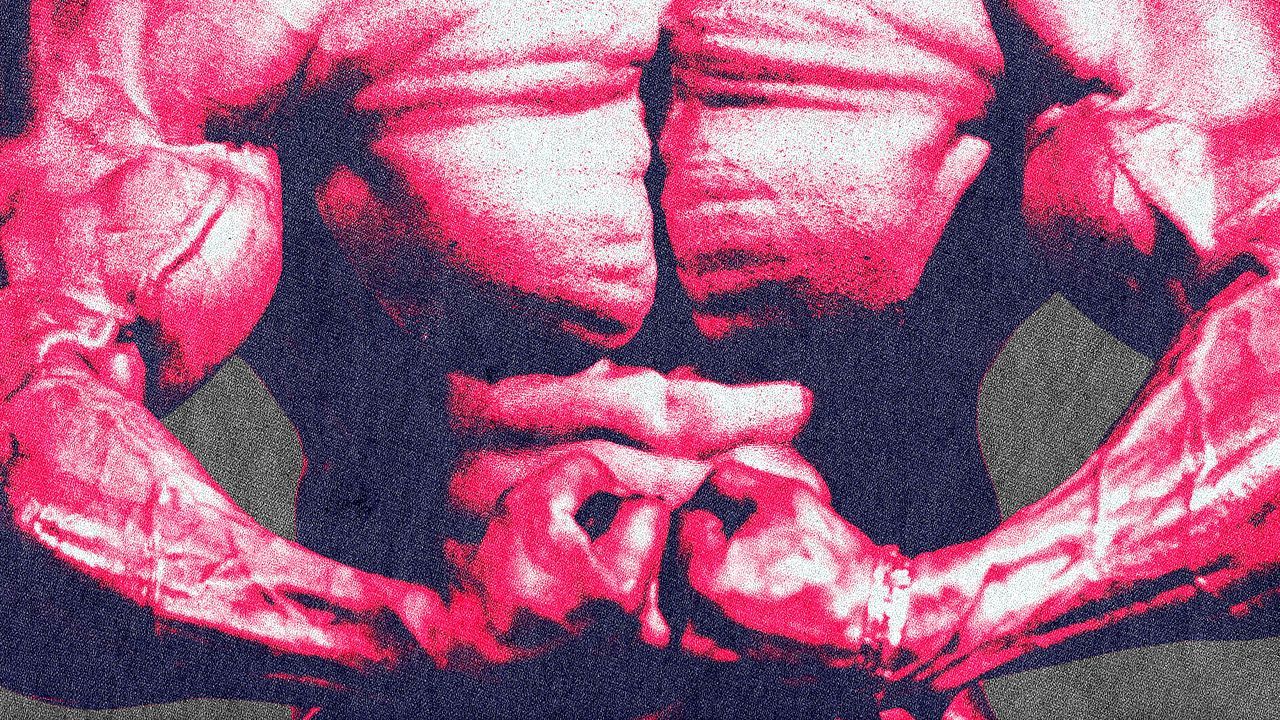
The Volume Trap That Sabotages Leanness
Most fat-loss plans rely on cranking up training volume—sets of 15 or more reps paired with daily cardio—while adopting low-carb diets. This yields quick results: body fat drops, abs appear within three weeks, and confidence soars. But by week four, a pattern emerges: persistent fatigue, cold sensitivity, and joint aches set in, eroding motivation. This cycle happens repeatedly. Without heavy lifting, the body catabolizes lean tissue to fuel the deficit, turning dieters into smaller, weaker versions despite lower scale weight. The flaw isn’t the calorie cut but the missing strength stimulus.
Why Heavy Loads Preserve Muscle in a Deficit
The principle 'what makes muscle, keeps muscle' means the body needs significant mechanical tension to retain tissue when calories are restricted. Strength training with challenging sets of 3-5 repetitions—such as a challenging back squat for five reps—sends a clear signal to maintain muscle. Low-rep, high-load protocols better maintain muscle mass during fat loss than lighter, endurance-focused sets. This isn’t about building new strength but preserving what exists. During a deficit, maintaining heavy squats and deadlifts helps retain lean mass, while high-volume training can lead to greater losses.
A Three-Day Strength Template for Fat Loss
A practical program schedules three weekly sessions, each under 60 minutes. Day 1 starts with a squat variation—like the safety bar squat—working to a heavy set of five, then repeating that load for three sets of three. Follow with 10-minute density circuits: dumbbell Romanian deadlifts for 8-10 reps and push-ups, then an 8-minute circuit of single-leg hip thrusts and dumbbell curls for 10-15 reps. Day 2 shifts to bench press variations, such as close-grip bench, with identical rep schemes, paired with one-arm dumbbell rows for three sets of ten per arm. Day 3 uses deadlift variations, like trap bar pulls, with three sets of three after a heavy five-rep set, complemented by carries and landmine presses. Each workout prioritizes heavy lifts first.
Form Cues and Progression for Key Lifts
For key lifts like squats, benches, and deadlifts, perform variations as part of the strength training program with challenging sets of 3-5 reps. Frequency matters: perform each lift at least twice weekly to sustain strength, as shown in the example days. Since form can deteriorate under fatigue, stop a set if technique fails to maintain stimulus without excessive risk.
Nutrition Strategies That Complement Strength
Strength training preserves muscle, but nutrition creates the caloric deficit. Ketogenic diets limit carbs, relying on fats and proteins for energy. Intermittent fasting restricts eating to specific windows. Consistency—not diet type—predicts long-term success, with high adherence leading to body fat reduction. Pairing these with strength training ensures deficits target fat, not muscle.
Sustaining Leanness Beyond the Diet Phase
The goal shifts from mere weight loss to body recomposition—shedding fat while maintaining or building muscle. By prioritizing strength, you help preserve basal metabolic rate, as muscle tissue is metabolically active. Lifters who integrated heavy squats and deadlifts into cuts retained strength, while cardio-focused groups saw declines. This approach avoids the “skinny-fat” outcome, where low scale weight masks poor body composition. Post-diet, maintain strength training at reduced volume—like two sessions weekly—to keep muscle and prevent rebound fat gain, making leanness sustainable without extreme measures.