Leisure Was the Ancestral Norm
Forget the image of prehistoric life as a nonstop fight for survival. Securing food, water, and shelter took only a few hours on most days, which left large stretches of downtime. Hunter-gatherers in Tanzania today spend a huge portion of the day hanging out, laughing, and playing games. That pattern, rather than the modern grind, resembles the environment in which our brains evolved. Play wasn't a reward after work; it was the default. The metabolic cost of play was low enough to fit into leisure, yet the behavior persisted for millions of years. That persistence suggests play carried real fitness value, not just amusement. So when you feel guilty for taking an afternoon to throw a ball around, remember: you're doing what hunters and gatherers did for a living.
Play Is a Free-Weight Workout for the Brain
Neuroplasticity depends on novelty and uncertainty, and play delivers both. When you improvise, react, and move, your brain must coordinate regions that rarely work together and blaze new pathways on the spot. That is why play behaves like free weights for the mind: free weights are unstable and variable, forcing your muscles to adapt mid-lift; play does the same for neural circuits. A structured workout or a screen-based repetition gives you a fixed pattern, so your brain can coast. But a lively game—say, a fast-paced sport, a dance-off, or an improv exercise—throws a new pattern of stimuli at you every second. Your brain has to rewire in real time, strengthening the pathways that handle surprises. Over sessions, this builds a flexible, resilient mind that doesn't fall apart when life shifts unexpectedly. The key is to choose activities where you cannot predict what happens next; that uncertainty is the load. Your brain's adaptability is directly proportional to how often you put it in that open-ended state.
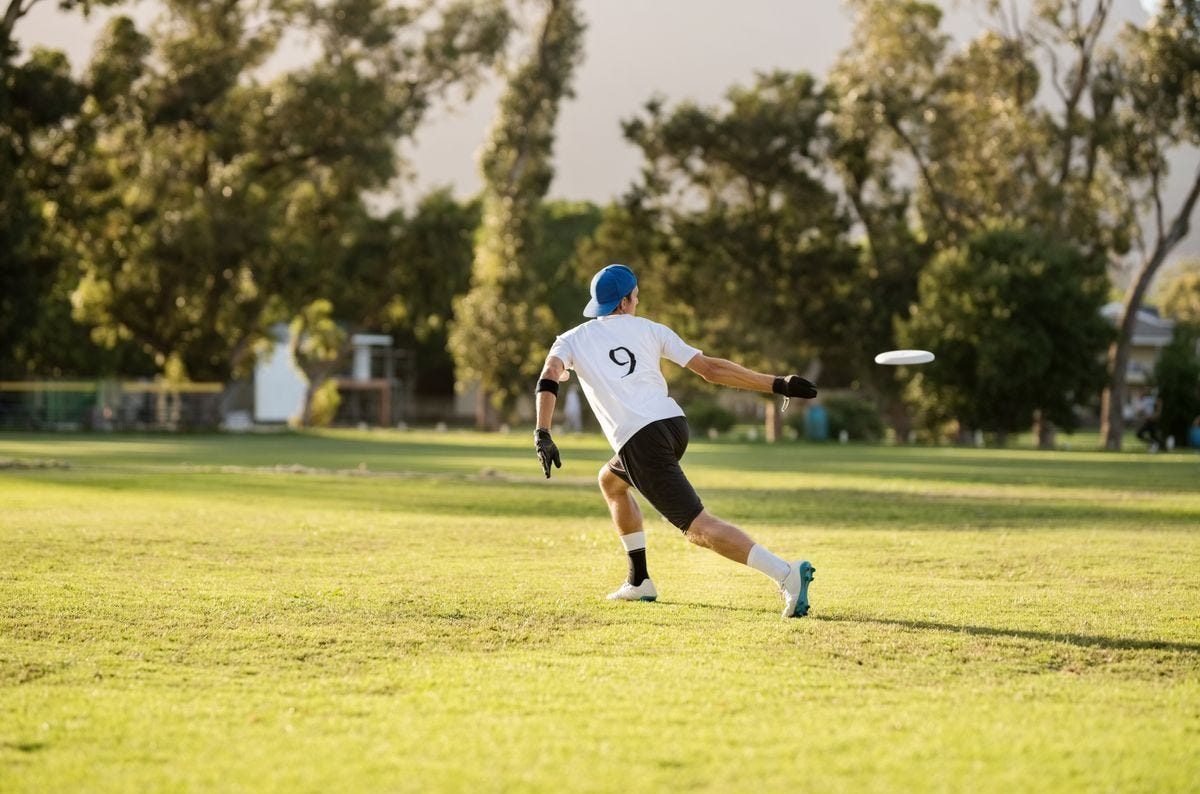 Image: marksdailyapple.com
Obstacle Courses Turn Exercise Into Play
If exercise feels like work, you're probably turning it into an obligation instead of a game. Play flips the switch, and an obstacle course is a perfect example. You crawl under bars, jump over hurdles, balance on beams, and climb walls—no prescribed rep scheme, no count. The moment your fitness practice becomes a game, your brain stops counting sets and starts exploring movement. You'll push yourself harder because you're having fun, not because a tracker tells you to. That's the difference between training and play: the reward is intrinsic, not external. Your metabolic signal is still a workout—play expends energy, sometimes a lot—but you perceive it as recess. The lack of a script is what makes it play; you improvise each obstacle as it comes, which also feeds your brain's need for novelty. So find a playground, a jungle gym, or a park with logs and stones, and string them into a course. Run it until you laugh. You'll be in shape without a single forced rep.
The Five-Point Definition of Play
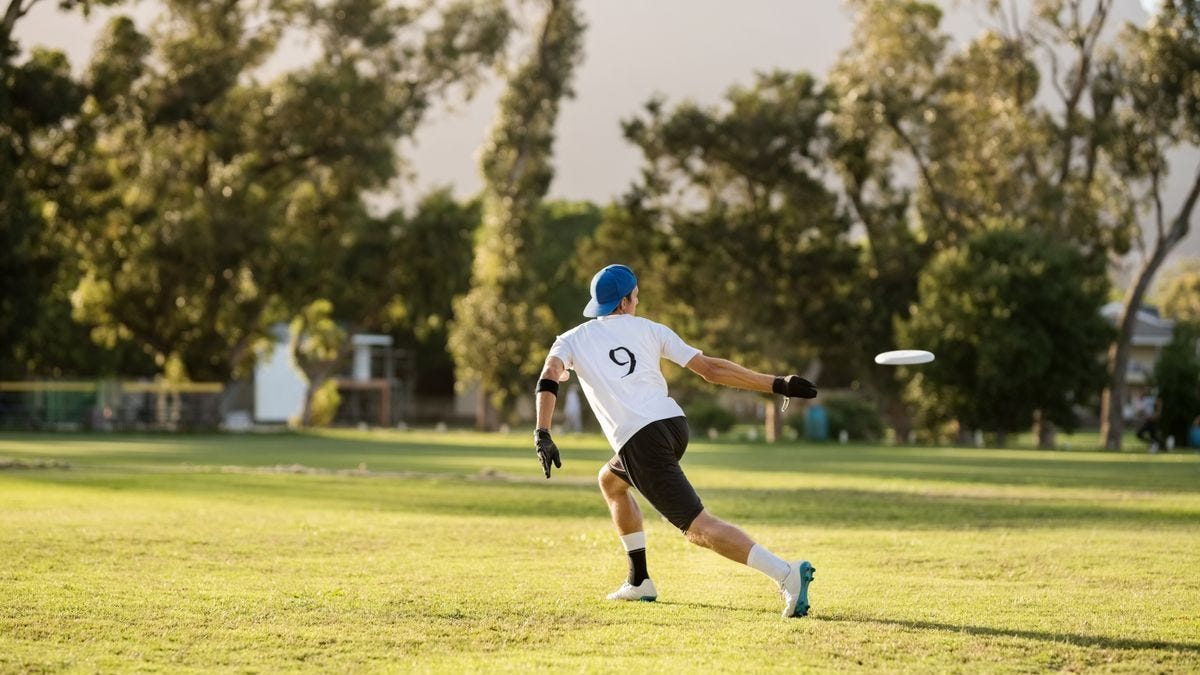
Play has a precise definition, and it's stricter than you'd think. It must be fun and intrinsically pleasurable. It must be voluntary. It must have no obvious survival value. It should diminish your sense of time, putting you in a flow state. And it has to be improvisational. That last one is crucial: if you're following a script or a regimen, it's not play. These five criteria together explain why a pickup basketball game feels different from a structured practice. The game is voluntary, pleasurable, time-blind, and makes no direct contribution to your paycheck. Yet it still shapes your brain and body—play is metabolically costly, so it burns energy that could go to food, shelter, or money, and natural selection wouldn't keep it unless it paid off. When you want to know whether an activity counts, run it through the five tests. If it fails any one—say, it's mandatory or driven by outside reward—it's work, not play. And that matters because play's benefits depend on its being voluntary and intrinsically rewarding.
Play Is Older Than Mammals
Cats, rats, mice, monkeys, apes, dolphins, and orcas all play. That list spans lineages tens of millions of years apart, suggesting the common ancestor of mammals already had the urge. Natural selection doesn't preserve such widespread behaviors unless they improve reproductive fitness. The persistence of play across this remarkable diversity is strong evidence that it serves a biological function beyond mere amusement. Indeed, play likely helped animals develop coordination, social bonds, and adaptability—qualities that directly contribute to survival. For us, the implication is clear: when you play, you're tapping into a system refined over millions of years of mammalian evolution. You're not just killing time—you're participating in an ancient strategy that shaped every mammal's brain and body. So the next time a dog chases its tail or a child chases a ball, recognize it as a living fossil of behavior, and don't hesitate to join in.
 Image: marksdailyapple.com
Play Sends a Youth Signal to Your Genes
Play creates a gene expression signal that says 'young, vibrant, full of life.' That signal is not the same as the one sent by sitting at a desk or ticking off a workout. What distinguishes play is its voluntary, improvisational, and intrinsically pleasurable nature. It's the difference between a scheduled run and a spontaneous dance in the kitchen. When you play, you're not following a script; you're reacting, moving, and connecting with others. That mix is what tells your cells you're still capable of novelty and resilience. To get that signal, choose one hour each day to do something playful without a goal: a game of tag, a dance-off with friends, or a playful tussle with a pet. Don't time it, don't treat it as a chore. The gene expression benefit comes from the play itself, not from the effort. So give yourself permission to be silly, and your genes will hear it as youth.
Play Makes Fitness Feel Like Recess
When exercise becomes play, it stops being a chore you have to force yourself to do. The official definition of play includes being fun, voluntary, and intrinsically pleasurable—so turning your workout into a game taps into that same enjoyment. Instead of counting reps on a machine, try an obstacle course, a game of tag with your kids, or a pickup basketball game. What separates playful movement from routine training is the improvisational element: you react to a moving ball, a changing environment, or a playmate's next move. This spontaneity not only distracts you from the effort but also engages your brain, making the activity feel like recess rather than work. The result is that you stay consistent, because you want to do it again. You're also getting a full-body workout without needing to monitor intensity. The energy expenditure feels incidental, yet the fitness gains accumulate. So next time you're tempted to skip the gym, choose a playful activity that gets you moving and laughing. Your body will get the workout, and your mind will get a break—all while having fun.