Anchor Exercise to Existing Routines
Habits stick best when anchored to something already part of your life. After your morning coffee, do five minutes of mobility; after brushing your teeth, hold a plank. This attaches the new behavior to an existing neural pathway, so you're not relying on memory or motivation. Placement matters more than ambition—a small, well-anchored habit beats a larger one that has nowhere to land.
Schedule Training as Non-Negotiable Appointments
Treating workouts like booked flights or meetings dramatically increases follow-through. Professional athletes operate on fixed schedules; they never wonder if they'll train, only when. By blocking time on a calendar, you remove daily decision fatigue and follow a plan crafted during calm, rational moments rather than negotiating with momentary resistance. Unscheduled activity becomes optional and is the first casualty when stress or fatigue mounts.
Pursue Skill Mastery Over Aesthetic Targets
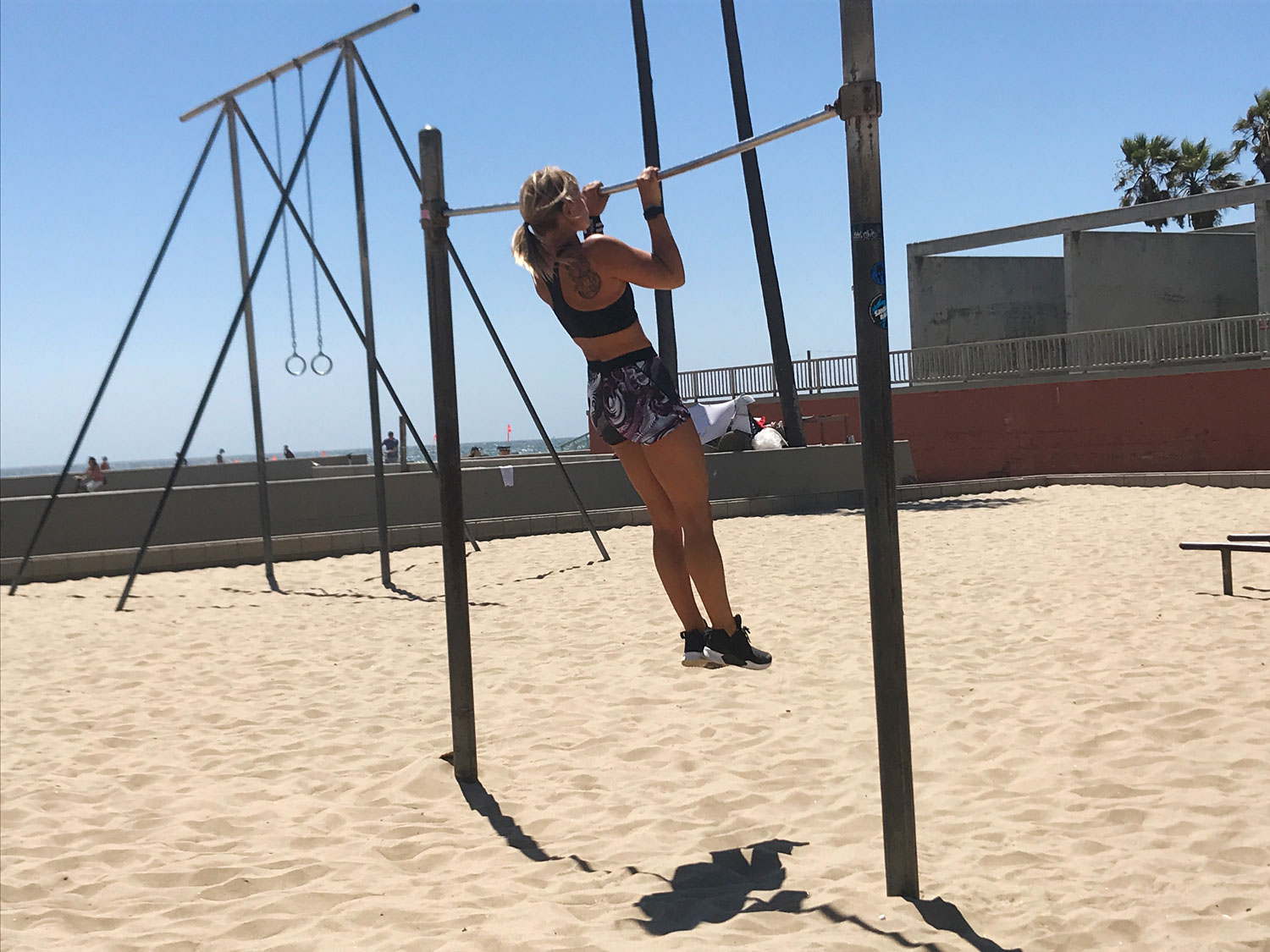
Performance-based goals are more motivating and sustainable than outcome-based goals like weight loss. Working towards your first pull-up, a pistol squat, or holding a wall handstand provides clear, measurable feedback. Skill progression gives you direction and something to work on even when motivation is low, and your body changes as a side effect of training toward that capability.
Eliminate All-or-Nothing Thinking
Designing habits that accommodate imperfect days prevents single lapses from derailing long-term progress. Missing one workout does not invalidate a week of effort. This approach requires flexible training plans with built-in variability, ensuring consistency survives real-life interruptions. Long-term fitness is built on persistent participation, not flawless execution—refusing to let a minor setback erase weeks of good work is key to staying in the game.
Adopt a Lifelong Movement Perspective
Shifting focus from short-term deadlines, like a wedding or vacation, to decades of health redefines success. The author's parents, in their mid-seventies, regularly play pickleball, mountain bike, ski, and hike, with his father exhibiting superior endurance. This longevity mindset treats fitness as an integrated lifestyle practice rather than a temporary project, asking what movement can be sustained for thirty or forty years instead of seeking rapid transformation.
Prioritize Enjoyment as a Compliance Tool
If workouts feel monotonous or joyless, it's a design flaw, not a lack of discipline. Counter boredom by learning a new skill, joining a sport, training with friends, or setting playful challenges. People repeat what they enjoy, making fun a compliance strategy—the best training plans are compelling enough to bring you back.