Trust Heart Rate Over Calorie Counts
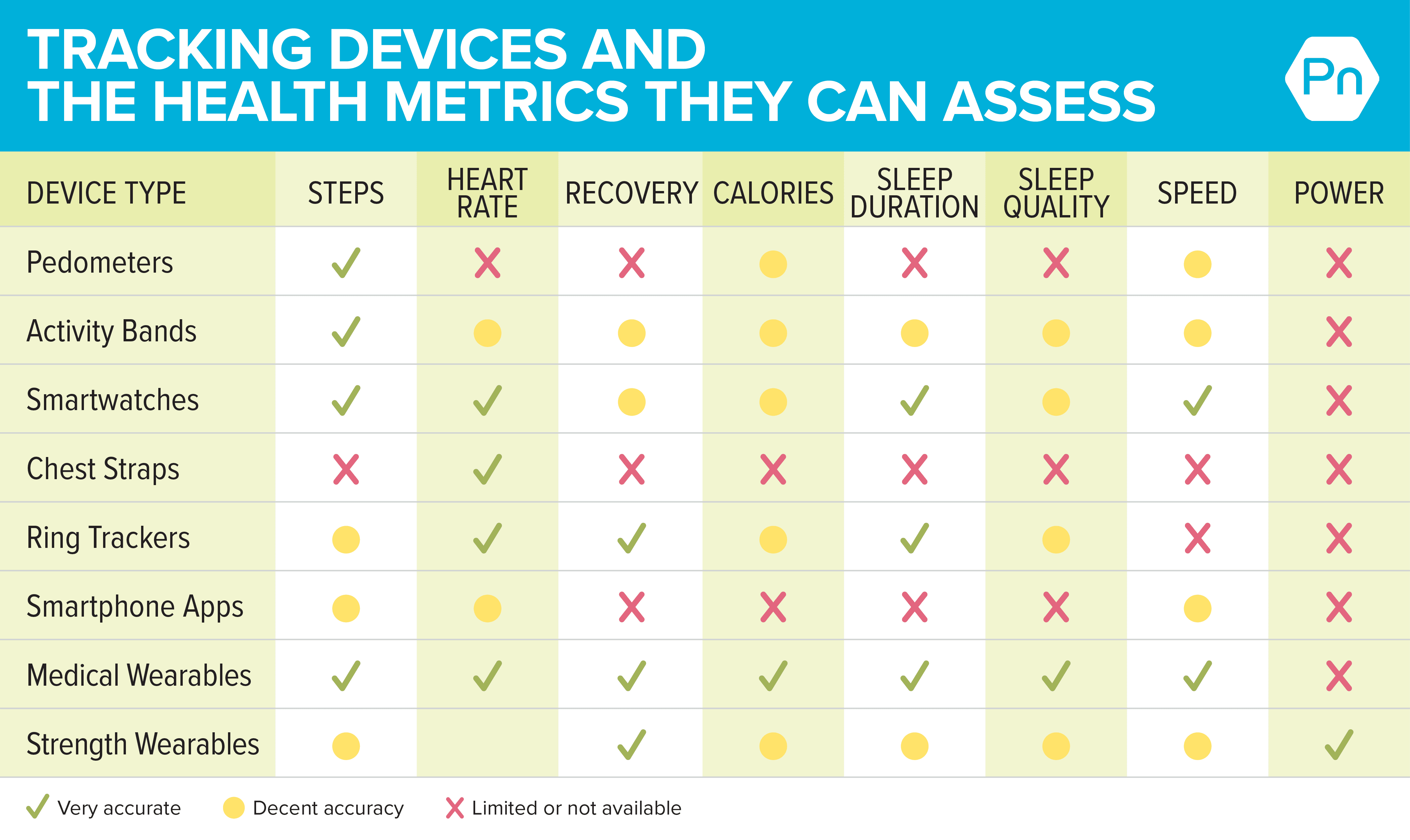
Wrist-based heart rate monitors generally deliver reliable data for resting rates, and step counters are also dependable. Calorie burn estimates, by contrast, have substantial margins for error—the numbers your device displays for "calories burned" during a workout or over a day can drift significantly from reality. Consider a colleague who believed he was eating within a narrow caloric window, only to discover after careful tracking that he was putting away a bonus 500 calories a day—in barbecue sauce. That kind of gap between perception and measurement is exactly why not all metrics deserve equal trust. When deciding which numbers to act on, treat heart rate and step count as your anchor metrics. They give you a stable foundation for gauging activity and cardiovascular effort. For calorie counts, use them as rough guides rather than precise targets. A practical move: if your tracker says you burned a certain number of calories on a run, don't eat back that exact number—instead, eat to your hunger and energy levels and let the calorie figure inform your general sense of exertion. Cross-check the less reliable data points against how your body actually feels. If your tracker says you had a light day but your legs are heavy and your energy is low, trust the sensation. The goal is to let reliable metrics guide specific decisions while keeping unreliable ones in a supporting role.
Navigate the Inverted U of Information
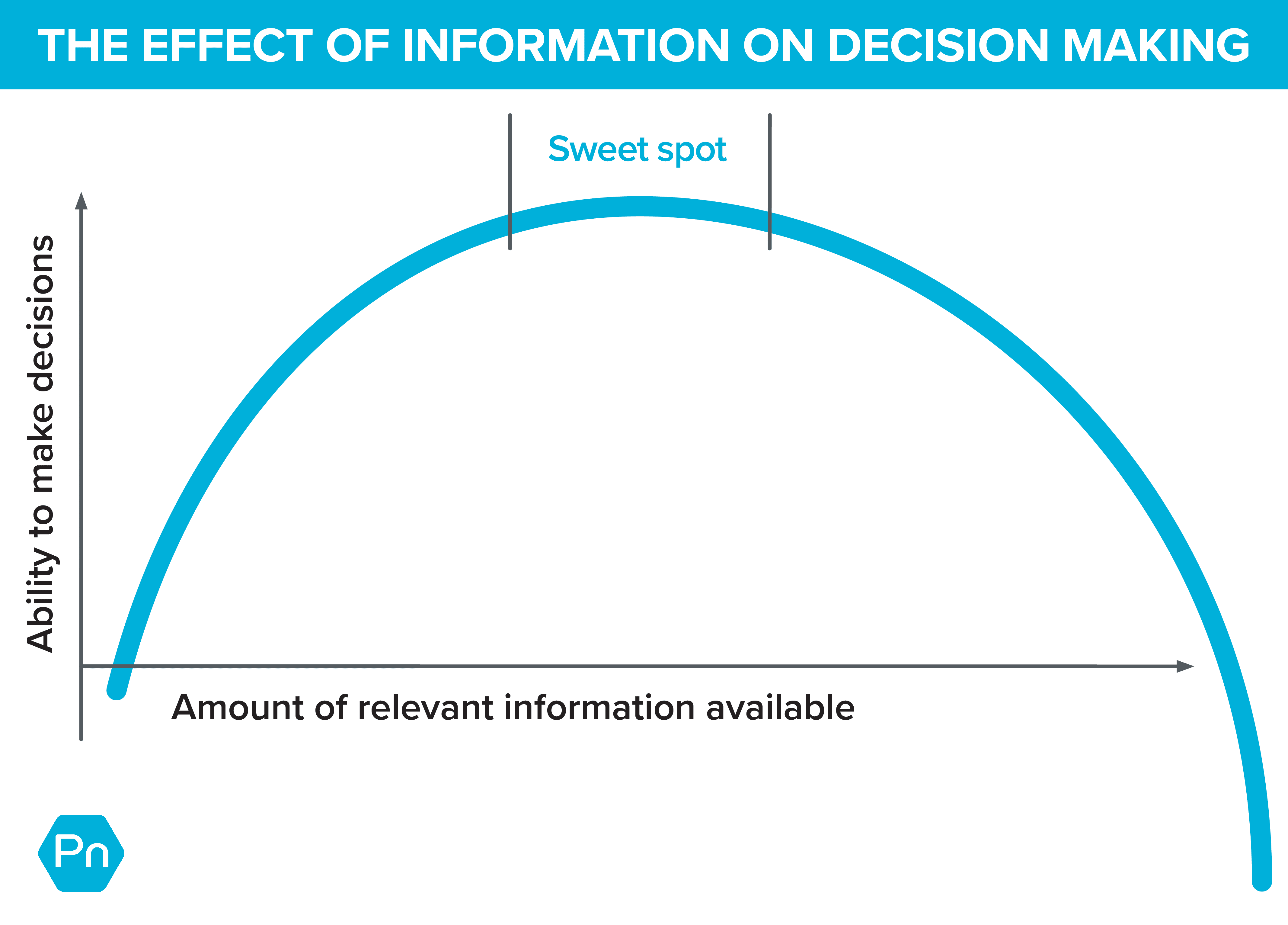
Computer scientist Samantha Kleinberg, who studies decision-making, puts it bluntly: "Even a tiny amount of surplus information has a big negative effect on our decision-making." Picture yourself scrolling through hundreds of taco reviews in your neighborhood—all you wanted was a decent al pastor, but now you can't choose. Fitness tracking follows the same inverted U curve: too little data leaves you guessing about whether your approach is working, but too much data causes analysis paralysis, where every metric competes for attention and none drives a clear decision. In practice, this looks like monitoring your heart rate, step count, exercise intensity, and sleep quality all at once—sometimes all on the same sleek device—and then staring at the dashboard wondering which number to act on first. The data piles up, patterns blur, and you end up more confused than when you started. The paradox is that the device meant to simplify your health decisions actually complicates them. The fix is deliberate narrowing. Pick two or three metrics that directly connect to your current goal—resting heart rate and daily steps, for example, if your focus is general cardiovascular health. Ignore the rest for now. When a specific question arises—say, whether your recovery is adequate after a hard week—add one targeted metric temporarily, then return to your core set. Enough data to act, not so much that you freeze.
Let Data Validate Methods and Cut Stress
When high-achiever Zak tried zone 2 cardio on his coach's recommendation, it felt too easy to be effective. He prided himself on his ability to grind and simply didn't trust that something that felt effortless could deliver results. His heart rate monitor told a different story: over the weeks, his resting heart rate dropped noticeably, and his recovery time from hard runs shortened. With that objective reassurance, Zak began to relax about the process—and his resting heart rate dropped further. The data didn't just validate his method; it calmed the anxiety that was itself holding him back. Trackers excel in this role when someone has the skill and drive but lacks confidence in their approach. Expert assurance from a coach helps, but reliable data provides a second, independent witness. Consider Ben Johnson, the Canadian sprinter, who was reported to call out his 100-metre time within a tenth of a second of the stopwatch readout. Most of us aren't that attuned to our own output, which is precisely why external measurement matters—it fills the gap between what we feel and what is actually happening. Use tracking to spotlight progress your perception might miss. If you've been training consistently but feel stuck, check resting heart rate trends, recovery patterns, or session-by-session output over several weeks. If the numbers show improvement your feelings don't, let them carry the message. Data that confirms you're on track replaces self-doubt with evidence, and that shift in confidence can itself accelerate results.
Spot When Tracking Fuels Stress
Sometimes data points to outcomes you cannot change, and the result is stress without any upside. A new parent of a newborn, for example, might receive a poor sleep quality score from a tracker night after night. The score is technically accurate—the parent is waking frequently—but the information serves no actionable purpose. The baby needs feeding regardless. In this situation, tracking creates anxiety about a constraint that isn't going away, and the parent might be better served by setting the device aside until sleep becomes more within their control. Cyclist Jan took a different path into the same trap. An avid recreational rider, Jan discovered he could view—and then demolish—records set on local biking trails. The data gamified his rides, shifting focus from enjoyment and technique to raw speed. As those records fell, so did his recovery capacity. His fixation on numbers left him under-recovered and eventually led to burnout. What started as a motivating feature became a source of pressure that eroded the very activity it was supposed to enhance. The pattern to watch for: tracking becomes harmful when the data points to outcomes beyond your control, or when numbers replace experience, skill, and enjoyment as the reason you move. If you notice either, pause tracking. You can always revisit it when circumstances shift or when you can once again use the data as a tool rather than a taskmaster.
Use Prompts to Drive Behavior Change
For a behaviour to take place, you need three things: motivation, ability, and a prompt. Motivation is a compelling reason to act—your spouse urging you to quit smoking, or a personal dream of running a marathon. Ability means you have the skills and opportunity, after accounting for constraints like time, money, effort, and routine changes. A prompt is the cue that triggers action—your GPS telling you to turn left, or restless legs reminding you it's time to walk. Critically, even with strong motivation and ability, the right action may not happen without a prompt. Fitness trackers deliver that prompt when the other two ingredients are already in place. Take Margaret, who drank a glass of wine most nights believing it helped her sleep. Once she started wearing a sleep tracker, she saw that her sleep quality was noticeably poorer on the nights she drank. That single data point—the visible drop in her sleep score—was the prompt she needed to adjust her behaviour. As the saying goes, once you see it, you can't un-see it. Tim Jones, whose genetically high cholesterol had long resisted change, used feedback from various lifestyle trackers to finally bring his levels down and built a richer, more meaningful life in the process. The principle is the same: highlight one key piece of data that makes the right choice obvious. If you're already motivated and capable, a tracker's prompt can be the small nudge that turns intention into habit.
Personalize Recovery with Real-Time Data
High-intensity interval training alternates fixed periods of intense effort with fixed periods of rest. Those rest intervals, however, are just estimates of how long recovery actually takes. Heart rate data can create a more individualized picture: your body may bounce back faster or slower than the timer assumes. Sometimes the mind says go but the heart says not quite yet. This matters because pushing into the next interval before your body has genuinely recovered doesn't build fitness—it builds fatigue without performance gains, a zone coaches call "junk volume." Over time, junk volume accumulates, recovery suffers, and results stall or reverse. A good coach does more than demand more. They monitor output, fatigue, and recovery metrics in real time and help keep clients training efficiently rather than just training hard. Watch your heart rate between intervals. If it hasn't come down enough to signal genuine recovery, extend the rest period—even if the workout plan says otherwise. Over a few weeks, you'll start to notice patterns: certain exercises demand longer recovery, certain times of day produce faster bounce-backs. That pattern recognition, guided by data, lets you make smarter decisions session by session. Grinders who believe harder is always better stand to gain the most from this approach. Data that says "you've recovered, go" or "not yet, wait" removes guesswork and protects both performance and long-term progress.
Guard Against Over-Reliance on Apps
In January 2019, the calorie-tracking app My Fitness Pal went down for a single day—a minor inconvenience for most, but not for one user who was waiting for the app to dictate exactly how much to eat that day. The mild panic that followed revealed something uncomfortable: over-reliance on the app had disconnected them from their own internal signals of hunger and fullness. Without the screen to consult, they felt adrift. Since then, that person shifted focus to how energetic they feel and began consulting one of the oldest tracking technologies available: the mirror. The app had roughly 200 million subscribers at the time, meaning the vulnerability was widespread. When a device or platform becomes the sole authority on how much to eat, how well you slept, or how hard you worked, you've handed your self-awareness to a third party. And when that party goes offline—or simply gets it wrong—your sense of self goes with it. There's even a name for the anxiety of being separated from your phone and apps: nomophobia. The antidote isn't rejecting technology but rebalancing the relationship. Designate regular intervals—perhaps one meal a day, or one full day a week—where you eat, move, and rest by feel alone. Note how your body signals hunger, energy, or fatigue without a screen mediating the message. That practice keeps your internal sensing sharp enough that the tracker remains a tool you use rather than a crutch you depend on.
Calibrate Self-Assessment Before Checking Data
Whatever the metric—how far you biked, how many calories you consumed, or how fast your heart was beating—the simplest way to work mindfully with tracker data is to pause, breathe, and tune into the prediction-making powers of your brain before you look at the screen. Ask yourself: How hard did that feel? How hungry am I? How recovered do my legs feel? Sit with the answer for a moment. Then check the data. Over time, comparing your self-assessment against the tracker's output narrows the gap between the two. You start to notice that what you call "moderate effort" corresponds to a certain heart rate range, or that your sense of "poor sleep" lines up with a low sleep quality score. These mappings build an internal reference library. The next time you estimate without looking, your guess is sharper. This practice also protects you during times when the device isn't available—dead battery, forgotten at home, or a platform outage like the one that left millions of My Fitness Pal users stranded in 2019. If you've been regularly calibrating your felt experience against objective data, you're not lost without the gadget. One more detail: update your app and firmware regularly. Algorithms and data sets are adjusted over time for better predictive accuracy, and an outdated version may give you a less reliable reference point. The end result is a two-way conversation between your senses and your tools—each one refining the other, with you making the final call.
Develop Mental Shortcuts Like RPE
Coaches regularly ask people to estimate the boundaries of their strength—specifically, how many more reps they can perform at a given weight before reaching failure. Novices are often terrible at this, regularly missing the mark by five or more reps. They think they have two left when they actually have seven, or they stop at six when only one remained. That gap has real consequences: too few reps leave gains on the table, too many invite injury. One question has proven surprisingly effective at closing the gap: "For a million dollars a rep, how many more reps do you think you could do?" Though nothing about the question is objective, most clients use it as a shortcut to gauge true maximal effort. The last rep on a hard set might genuinely be worth seven figures, and that framing cuts through the noise of fatigue and doubt. The method leans on the rate of perceived exertion, or RPE—your perception of how hard you're working—which is one of the most validated sensory-driven approaches in exercise science. Not everyone reads their own effort accurately at first, but the skill improves with practice. The key is periodic calibration: use objective tracker data alongside the RPE estimate, note the difference, and adjust. After a few sessions, most people shrink their margin of error dramatically. What you end up with is a reliable internal gauge that works whether or not the device is charged, strapped on, or anywhere nearby.