The VERTIX 2S Outlasts Any Expedition
The VERTIX 2S goes where most watches won't. With 140 hours of GPS battery life, it outlasts week-long expeditions. Sapphire glass resists scratches on rock and ice. Offline mapping lets climbers navigate without a signal. Coros built it for extreme environments, from high-altitude routes to remote trails. The rugged case handles temperature swings and impacts. For explorers who measure trips in days, not hours, this watch removes charging from the equation. Its endurance focus is unique among Coros models. While other watches prioritize daily wear, the VERTIX 2S is unapologetically expedition-grade. The trade-off is bulk, but the capability justifies it for serious adventurers. The offline maps are preloaded, avoiding reliance on cellular networks. In short, the VERTIX 2S answers a specific question: how long can you stay out and still know where you are?
The LINX Helmet Put Sound Where It Belongs
Coros began with a helmet, not a watch. In 2016, the company launched the LINX, a smart cycling helmet with built-in open-ear bone conduction speakers. Instead of sealing off the rider's ears, the design transmits audio through the skull, letting cyclists hear music or calls without losing awareness of traffic. It paired over Bluetooth and kept the ears free for peripheral sounds. The helmet set the tone for Coros' approach: integrating technology into gear without compromising safety. It remains a rare example of a major fitness brand starting outside wearables. Two years later, Coros pivoted to GPS watches with the PACE, but the LINX established the engineering ethos that carries through today. The bone conduction tech was ahead of its time, predating many mainstream open-ear audio products. For commuting and long rides, it solved a genuine safety gap, letting cyclists balance audio and awareness.
The PACE 3 Brings 30-Hour GPS to Daily Training
For runners and triathletes, the PACE 3 delivers accuracy in a lightweight frame. It tracks GPS with precision, monitors heart rate continuously, and runs up to 30 hours in full GPS mode. That endurance covers long training days and race-day distances without mid-run charging. The watch's low weight makes it comfortable for marathon pacing and interval sessions. Coros positioned it as the entry point for serious training, yet it doesn't skimp on tracking technology. It lacks the extreme navigation of the VERTIX line, but it nails the fundamentals. The 30-hour battery is a standout at this weight class, beating many pricier rivals. Heart rate monitoring guides zone effort, and the interface switches smoothly between swim, bike, and run. For triathletes, that seamless transition matters as much as raw battery life.
Recovery Metrics Turn Rest Into a Science
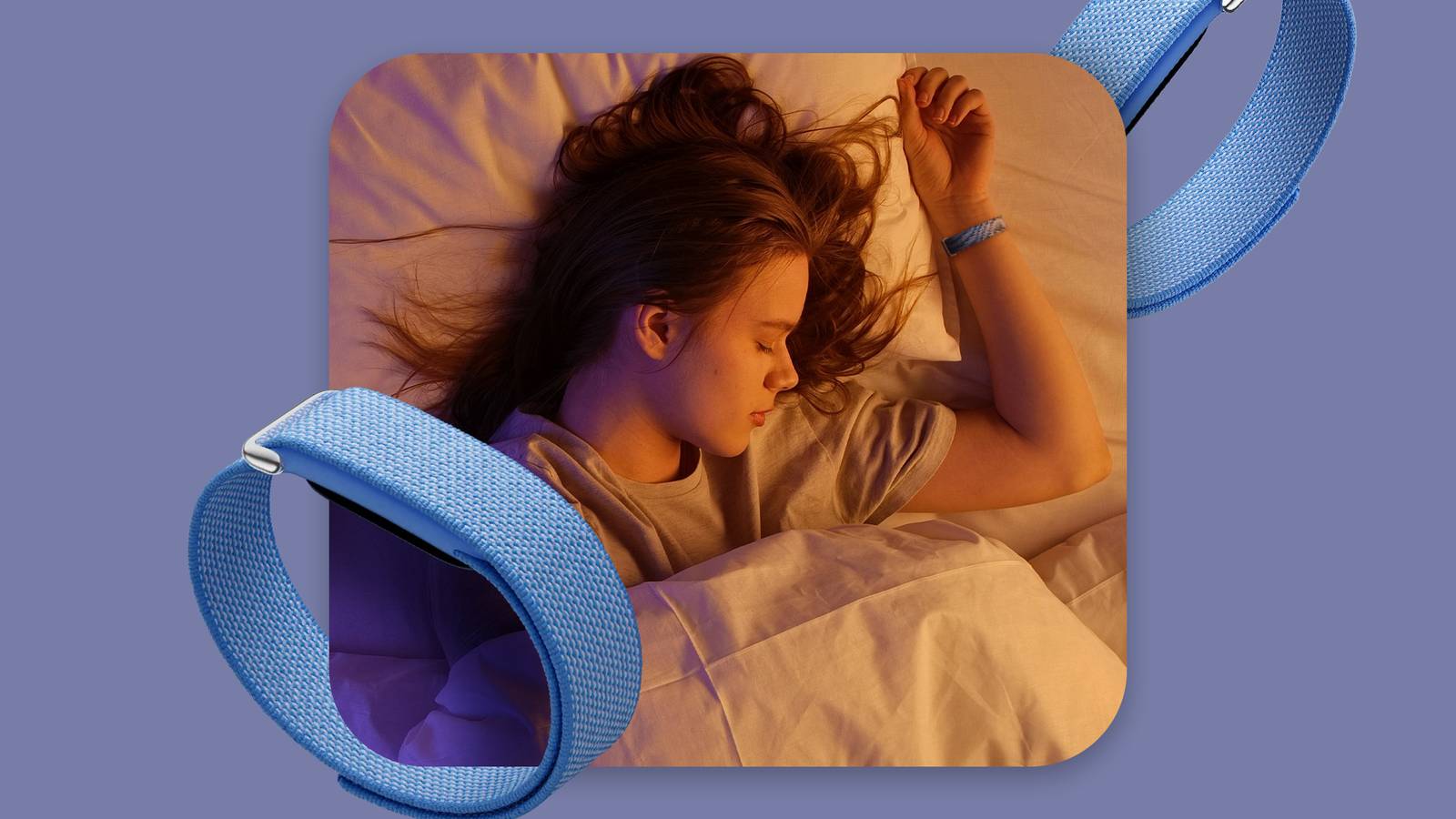
Recovery is where Coros' software shines. The system estimates recovery time from workout intensity, duration, and physiological load. It tracks cumulative stress to recommend rest days, a feature aimed at athletes who push too hard. Sleep tracking provides nightly insight into quality and duration, though accuracy depends on consistent wear and calibration. Energy expenditure monitoring ties calorie burn to nutritional needs. By combining these metrics, Coros offers a holistic view of readiness. Each metric plays a distinct role: recovery time suggests how long until the next full-effort session, rest-day alerts flag when cumulative stress is climbing, sleep tracking reveals nightly recovery quality, and energy expenditure links calories burned to fueling needs. Together, they produce a readiness view that shifts with each workout. After a hard interval session, the recovery timer might read two days; after a short easy run, it might drop to a few hours. That concrete number gives athletes a reference point to decide whether to push forward or take the day off, while the sleep and stress data explain the reasoning behind the number.
Training Plans That Adapt to You
Structured training on Coros goes beyond logging miles. Users can choose from pre-designed plans for running, cycling, and swimming, built around progression-based strategies designed by professional coaches. Those who want more control can adjust duration, intensity, and workout type to align with their goals. During sessions, the watch tracks pace, cadence, and heart rate variability, feeding that data back into the plan. The system adapts to different skill levels, from marathoners to beginners tackling their first 5K. The pre-designed library offers a variety of session structures, each with clear progression from week to week. When you start a workout, the watch displays your current pace and heart rate, giving you real-time cues whether to speed up or ease off. After each session, the accumulated data lets you see how your HRV and pace trend across the training cycle. That feedback loop allows you to adjust the remaining schedule manually if needed, rather than blindly following a static plan. The platform offers structured guidance, but individual results depend on consistency and effort.
Biometrics Dig Deeper Than Steps
Biometrics go beyond step counts. Coros devices monitor heart rate variability, blood oxygen levels, and stress scores. These metrics reveal how the body responds to training and daily life. HRV trends can indicate improved cardiovascular efficiency; blood oxygen may flag altitude stress or recovery issues. The data supports personalized insights—workouts tailored to physiological readiness. It also aids injury prevention by highlighting when the body needs a break. While not a substitute for professional medical advice, it gives athletes a window into their own physiology. Over time, trends show endurance gains and aerobic fitness changes, but only if the watch is worn consistently. A single night's data means little; the pattern carries the signal. For someone balancing marathon training with a demanding job, those patterns help avoid burnout. Stress scores combine HRV, resting heart rate, and movement to estimate daily strain.
Real-Time Feedback Keeps Every Workout Honest
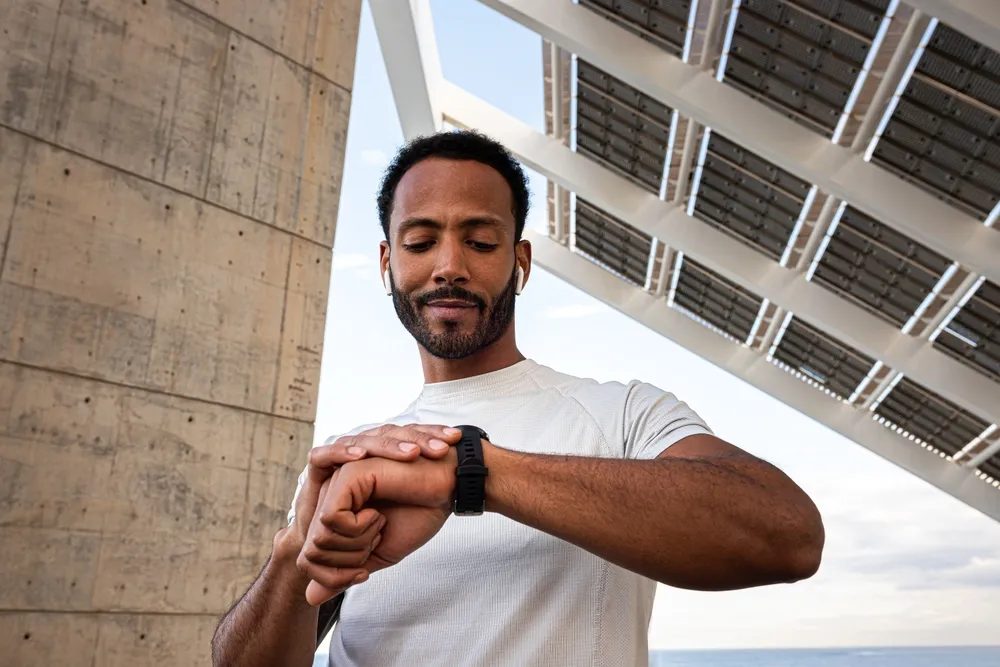
During a workout, live data helps maintain thresholds. Coros displays pace and speed for runners and cyclists who need to hit specific splits. Heart rate zone cues guide effort—green means in target, red means over. GPS navigation offers route planning and live turn-by-turn directions, letting athletes explore new terrain without stopping. The watch surface keeps these metrics visible without breaking rhythm. For a tempo run, seeing your pace drift above threshold prompts an immediate adjustment. For a trail ultramarathon, navigation prevents wrong turns at remote junctions. The display is customizable, so athletes prioritize the metrics that matter for their sport. Coros designed the interface to be glanceable—no scrolling through menus mid-stride. This immediacy separates it from devices that require post-workout analysis. The heart rate alerts vibrate, so you don't need to look down constantly. On a bike, speed and cadence can be shown on the same screen.
The APEX Series Balances Trail Grit and Everyday Wear
The APEX line bridges trail endurance and daily versatility. The APEX Pro packs dual-frequency GPS and a robust build for mountain athletes and ultra-marathoners. Its enhanced navigation handles complex terrain. The APEX 2 and 2 Pro refine that formula with multi-band GPS, improved biometric tracking, and compatibility with advanced training platforms. They suit both casual users and professionals. Dual-frequency GPS locks onto satellites more precisely in dense terrain, cutting down distance errors. The improved wrist-based heart rate closely matches chest strap readings during steady efforts. For trail runners, the enhanced navigation includes route sharing and offline maps. The watch is designed to look at home in an office or on a mountain pass. While the VERTIX goes all-in on ruggedness, the APEX balances durability with everyday wearability. Choose the Pro for extra GPS accuracy and longer battery, or the standard for a lighter feel.