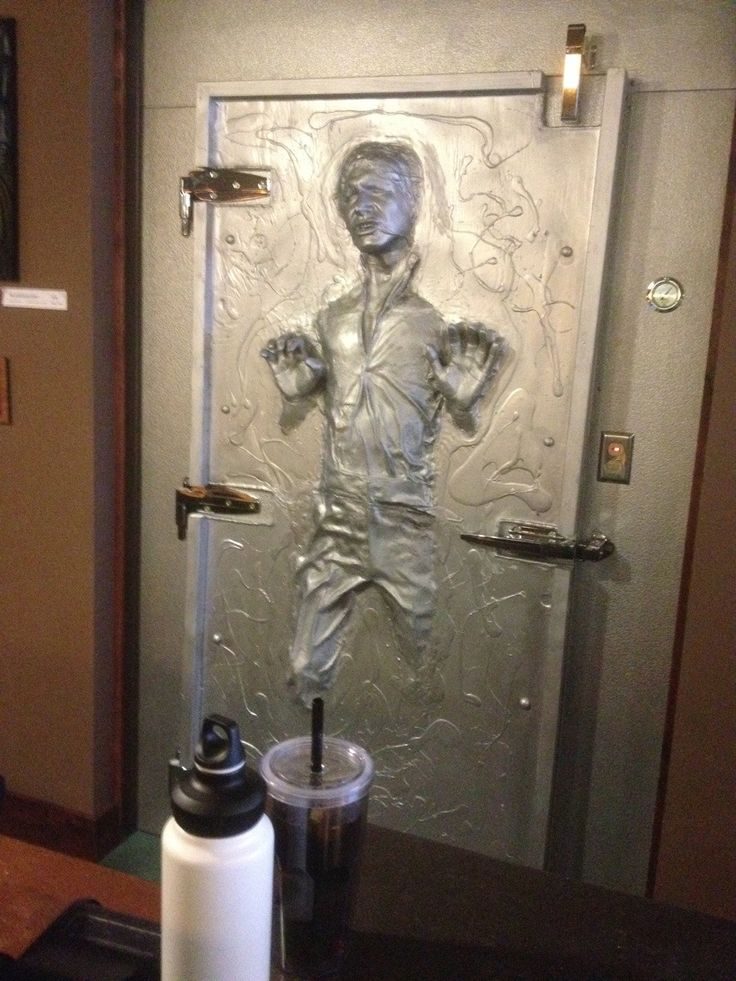
The Painter's House Problem
The saying goes that the painter's house is always the last one to get painted. The author of the original post admits he never verified that with an actual painter, but a decade ago his back was giving him serious trouble. It hurt to sneeze, and he walked around like an 80-year-old man. He kept training, but it lacked any structure or purpose—he was just going through the motions. He was close to grabbing a pint of Ben & Jerry's and spending a week watching Julia Roberts movies. The problem was that he wrote programs for other people all day long, so the last thing he wanted to do was write one for himself. He loved to deadlift—Tuesday? Deadlift. Half-hour? Deadlift. Someone wore a blue shirt? Deadlift. But he was hurt, and deadlifting through pain was a dumb move.
Swallowing Pride and Hiring Help
The obvious solution was to stop trying to fix myself and let someone else take the wheel. I've always said that the hardest person to train is yourself, but saying it and doing something about it are different things. Eventually, I swallowed my pride and hired a coach — not to babysit me, but to take over programming completely. Since then, I've had several different coaches write my programs, and I haven't looked back. What surprised me wasn't the exercises or the set/rep schemes. It was the accountability. When someone else's expertise is on the line, you shut up and do the work. There's a trust that forms between coach and athlete, and that trust keeps you honest. You don't skip reps or quietly swap a movement you don't like. You follow the plan, and magical things start happening. For me, that meant finally addressing the imbalances that had wrecked my back in the first place.
 Image: tonygentilcore.com
Why I'm Stupid About My Own Programming
I'm a decent programmer for other people. For myself, I'm an idiot. When I try to write my own workouts, I default to what I'm already good at — which is exactly the wrong approach. Just because you can deadlift well doesn't mean you should be doing it every single session. In fact, the thing you're best at is often the thing feeding your injury. A good coach forces you to do more of what you're NOT good at. That's uncomfortable. It also works. The other reason I'm stupid is that I can't turn off my inner dialogue. Left to my own devices, I spend twenty minutes debating whether to bench press or decline bench press, narrow grip or wide grip, until I give up and do bicep curls. A preset plan eliminates that noise. You don't think, you just execute. I recently started working with a personal trainer who came to me with nagging injuries and a deflated ego. Within two weeks, she reported less pain and an invigorated sense of purpose — all because she let someone else do the thinking.
The Case for Pre-Set Programs
Not everyone can afford a personal coach, and good ones may not be nearby. The internet offers options, but it also has shady figures—so-called fitness celebrities who post videos of themselves squatting in front of a Maserati or in skimpy outfits, rarely train anyone, and have no certification. Legitimate pre-set programs do exist. One example is a three-month introductory strength program that provides structured workouts and high-definition videos of each exercise, requires only dumbbells, a barbell, a bench, and a cable machine (or bands), and costs $39. That kind of program gives you a plan with specific exercises, sets, and reps, so you don't have to decide on your own. It forces you to follow a direction, which is what separates it from the freewheeling content of unqualified influencers.
 Image: tonygentilcore.com