The End of a Football Life
On a Friday night in early spring, JB Copeland found himself on the floor of an emergency room, chest heaving, convinced he was dying. The former Division I linebacker had spent nearly two decades chasing a football dream that ended abruptly in 2016, when back-to-back concussions at the University of North Carolina forced him to stop playing. Immediately, the structure that had defined him since age 6 vanished. The 6-foot-3, 230-pound athlete dropped 55 pounds in three months, began taking Xanax for anxiety, and later supplemented those pills with medications borrowed from teammates who'd had surgery. By senior year, he'd lost his scholarship and flunked out. He spent years numbing his emotions until the April 2022 panic attack landed him in the ER. His recovery began in a 90-day rehab program outside Dallas, where he rediscovered discipline through weight training and clean eating. Today, Copeland has 2 million Instagram followers and a social series called Whatever Works, in which he talks about emotional awareness and identity. His core lesson: 'When something becomes who you are, that thing will always let you down.'
Sleep: The Brain's Non-Negotiable Reset
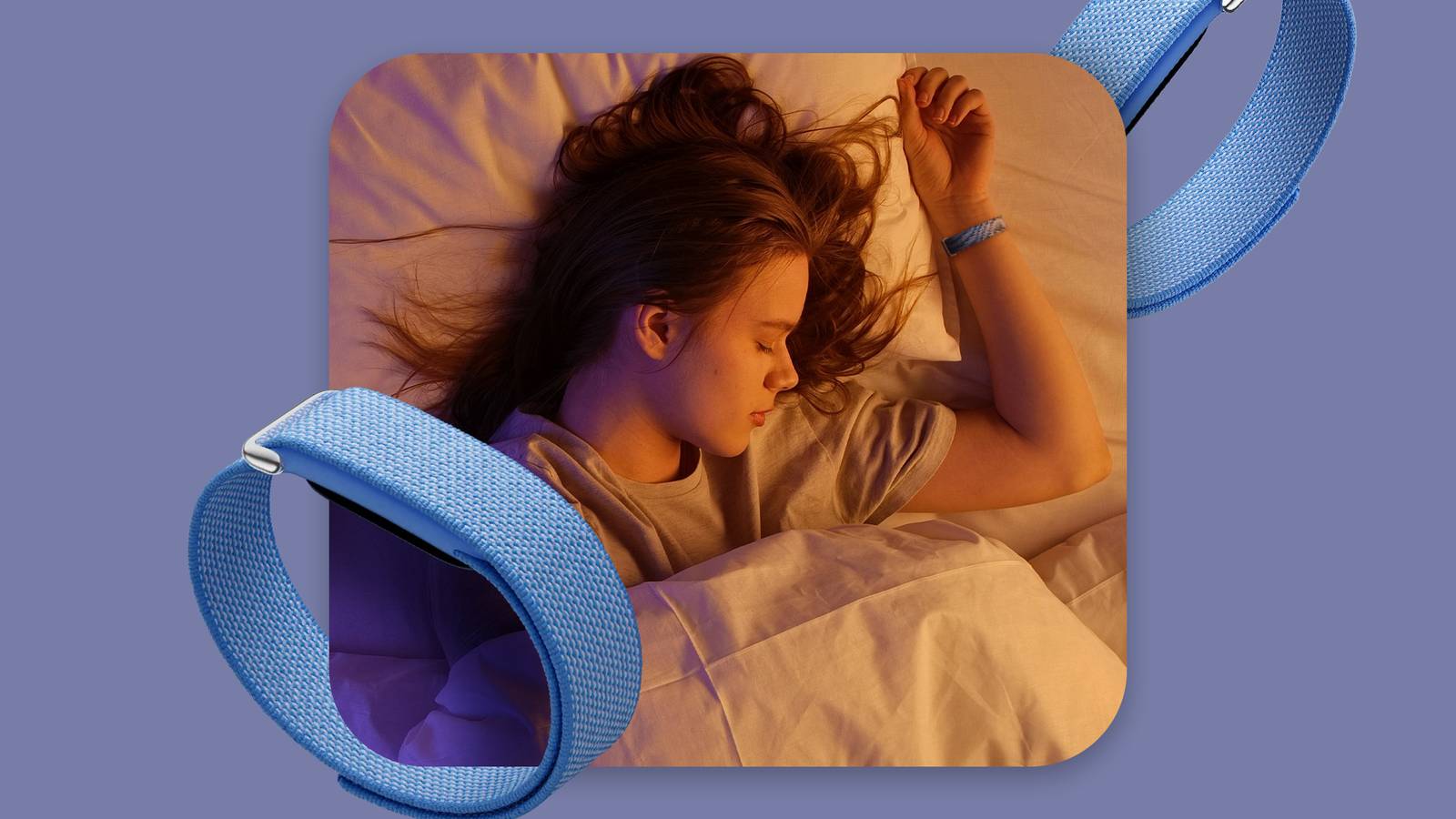
While hot flashes directly affect blood vessels, they also wreck sleep in a sneaky way. Night sweats can wake a woman repeatedly without any obvious heat, because by the time cortisol and norepinephrine surge her awake, the flash has passed. Those micro-awakenings interfere with memory consolidation and leave the amygdala hyper-reactive, making daily stressors feel unbearable. The link is so strong that experts now suggest treating vasomotor symptoms as a medical condition. But lifestyle strategies also help. Ryan Glatt, director of the FitBrain Program at Pacific Neuroscience Institute, emphasizes that health and exercise professionals can address sleep behaviors within their scope. A 103-person study found that exposure to morning sunlight predicted better sleep the following night—falling asleep faster, sleeping longer, and fewer awakenings. Morning and late afternoon light appear to set the brain's internal clock. Cognitive Behavior Therapy for Insomnia (CBT-I) is another research-backed approach; one skill involves getting up at the same time every day regardless of how poorly you slept, which helps re-anchor the sleep-wake cycle. For those who wake in a haze, short bursts of movement—a 5- to 10-minute walk or a quick set of pushups—can be more effective than a longer session when energy is low.
Movement as Medicine: The Right Dose
Movement is a foundational element in supporting mental health. Exercise influences stress, mood, and depression in both the short term and long term, while also benefiting brain health. Health and exercise professionals can leverage movement programming to help clients enhance their mental well-being.
Breath and Connection: The Missing Pieces
The final pieces are the ones that cost nothing but require the most honesty. Breathing exercises, as Erika Quest, owner of LevelUp MVMT, explains, can improve mental health by regulating the nervous system. Simple paced breathing can lower anxiety and improve focus. But connection may be even more powerful. Reena Vokoun, an ACE-certified health coach, stresses creating community in the health and fitness space. Copeland admits that fostering community is his weak spot: 'I tend to isolate and stay in my head,' he says. Yet he's learned that close, trusted friendships are essential, especially for men. 'If you're a man, there's another man out there you can be completely honest with,' he says. The ACE course wraps these five levers—nutrition, movement, sleep, breath, and connection—into one framework, noting that each acts through a distinct mechanism: diet modifies gut-brain hormones, exercise alters mood and stress, sleep restores brain health, breath regulates the nervous system, and connection fosters emotional support. That is what separates them; together they are intertwined, so progress in one area can support the others.