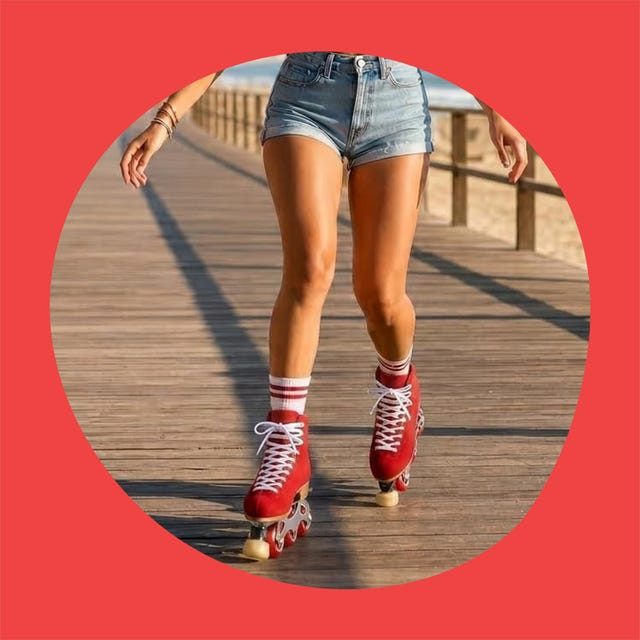
Why Skaters Came Back to the Parking Lot
When the COVID-19 lockdown shut down ice rinks, figure skaters and hockey players found themselves circling park lots and school blacktop in inline skates. Women’s Health Visuals Director Sally Berman, a regular rollerblader, says the appeal is the full-body workout plus the simple speed—gliding past trees without a windshield. That same thrill drew a former competitive figure skater and current coach to trade her blades for wheels whenever the sun comes out. Rolling outdoors means no cold rink, no scheduled sessions, just the physics of edging and spinning on whatever flat ground is nearby. The lockdown experiment turned into a permanent warm-weather habit for many, and the modern crop of inline skates reflects that shift toward recreational use. The resurgence has also changed what buyers expect: they want a pair that handles rough pavement, feels secure at the ankle, and doesn’t fall apart after a summer of use. That’s where the technical choices come in—frame material, wheel size, and fit all separate a $150 investment from a toy. Kinetic Expression Skate Shop owner Arnav "Sonic" Shah, who coaches at the Skate Instructors Association, says the safe, durable range for a street-worthy pair starts around $150 to $200. Below that, you’re often paying for compromises in construction that show up as cracked frames or wobbly wheels a few months in.
Wheel Size, Hardness, and Where You’ll Roll
Wheel choice comes down to two numbers: diameter and durometer. For beginners, a four-wheel setup with 80mm to 90mm wheels is the best starting point—they sit lower to the ground, making the skate easier to balance and maneuver. More experienced skaters will get more speed and better rough-terrain forgiveness from a three-wheel setup with 100mm or 110mm wheels. If you want to try both, look for skates with removable frames, as Anna Zuver notes. Hardness is measured on the Durometer A scale: softer wheels (lower numbers) absorb shock and give more grip, making them the right choice for concrete, trails, and cracked pavement. Harder wheels (up to 101A) roll faster and allow more slide for tricks, but they transmit shock, so they’re better suited to smooth rink floors. Commit to your primary surface: if you’ll skate outside, pick a softer wheel; if you’ll stick to a rink, go harder.
Fit, Weight, and the Ankle Buckle Question
A proper skate fit mimics a good running shoe, according to Zuver: there should be enough room in the toe box that your toes aren’t jammed against the front, but not so much that your foot slides on each push. A snug heel and midfoot keeps power transfer direct; too much space causes blisters and sloppy control. Look for a breathable footbed so your feet don’t soak inside after an hour of rolling. Closure systems matter too. Some boots use full laces, some use locking buckles, and many combine both. Jaspers points out that more buckles mean more pressure points that can dig into your foot. She prefers skates with a single buckle around the ankle only—that’s where you actually need support to keep your heel seated, and it avoids the discomfort of straps across the instep.
Weight goes hand in hand with fit. Jaspers says lighter is always better because heavy, clunky boots usually indicate excess molded plastic and poor ventilation, which makes every stride feel like work. A well-constructed light skate isn’t necessarily fragile; it just uses better materials. When you try on skates, wear the same thin socks you’d use on the road, and walk around the shop for at least ten minutes to check for hot spots. The right pair should disappear on your feet—no pinching, no heel lift, just a secure cradle around your ankle and a smooth roll from the wheels.
The Models That Earned Their Spots
Rollerblade and K2 dominate the recommendations because they consistently produce durable, comfortable skates in the $150–$200 range that Shah advises. For most beginners, the Rollerblade Macroblade 80 checks the boxes: an aluminum frame, four 80mm wheels, and a classic lace-and-buckle closure that offers solid ankle support without excess hardware. If you want a smoother roll over rougher asphalt, the Macroblade 90 bumps the wheel size to 90mm while keeping the same stable frame—a good upgrade if you already know you’ll be on trails. The K2 Kinetic 80 is another beginner favorite, designed with a soft boot that’s easy to break in, and it’s often priced under the Macroblade line.
For budget shoppers, the Roller Derby V-Tech 500 uses an adjustable button system so the boot fits multiple foot sizes, but its plastic frame and heavier build will limit its lifespan on aggressive outdoor skating. Most comfortable, per the experts, is the Rollerblade Zetrablade, which pairs a plush liner with a breathable mesh upper—an option if your feet are sensitive to pressure points. None of these are custom boots, but they all offer a solid foundation. The key is to match the wheel and frame to where you’ll actually skate: rink skaters can tolerate harder wheels and plastic frames, but street rollers should prioritize aluminum frames and softer 80–90mm wheels.