The 5:25 AM Problem
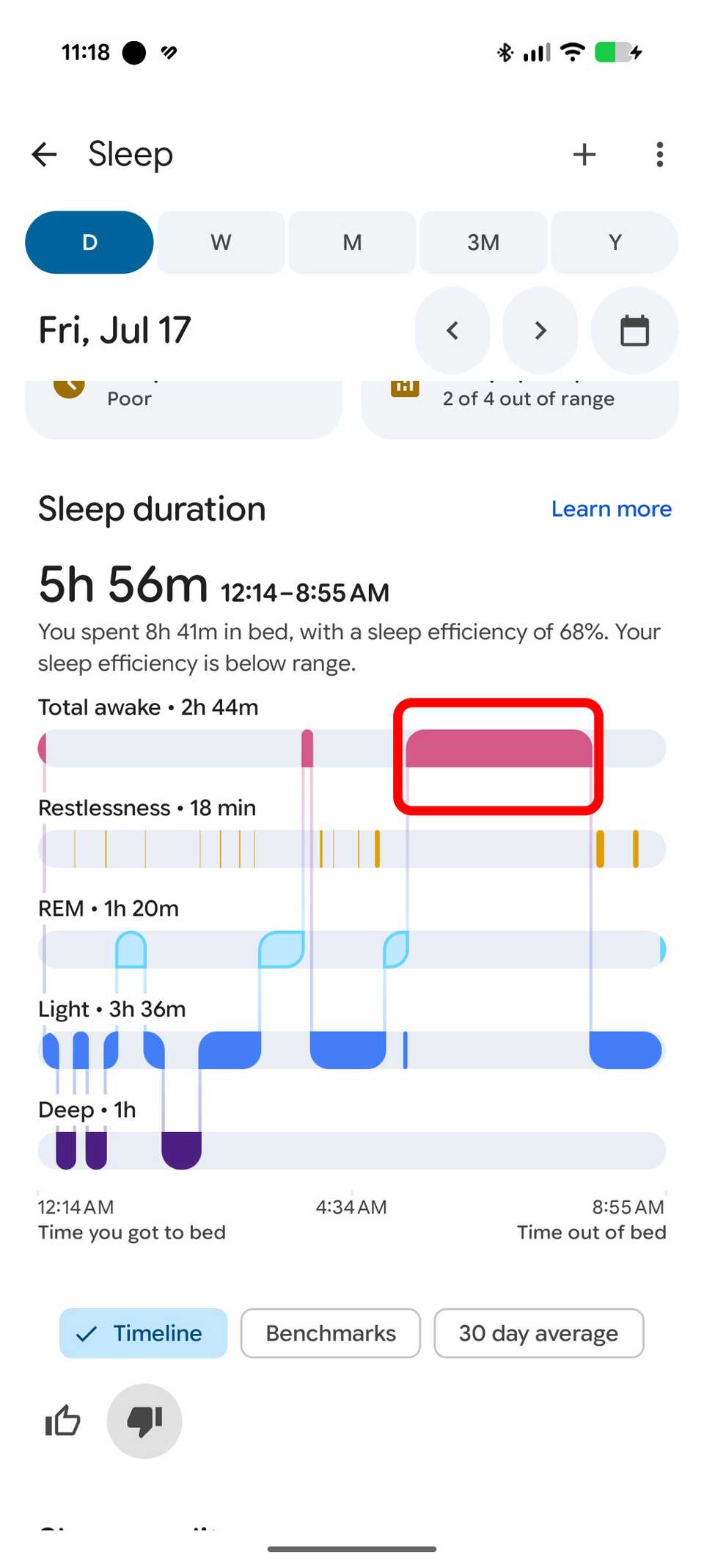
The Google Fitbit Air logged five hours of sleep and a dismal score on a morning when the wearer got up at 5:25 AM for a bathroom trip, climbed back into bed, and slept until 7:00 AM. The tracker never recorded the remaining sleep. A forced sync through the Google Health app on a Pixel 9 Pro XL did nothing. Two nights later, the same 5:25 AM disruption cut the session short again. A 6:30 AM drive to school followed by a return to bed until 8:30 AM produced no extra sleep data. A 5:00 AM waking, with sleep until 7:52 AM, also vanished from the log. The user, within the return window, nearly boxed the device up. A firmware update promised to fix the bug, but the truncated logs persisted across multiple nights.
What the Air Was Supposed to Replace
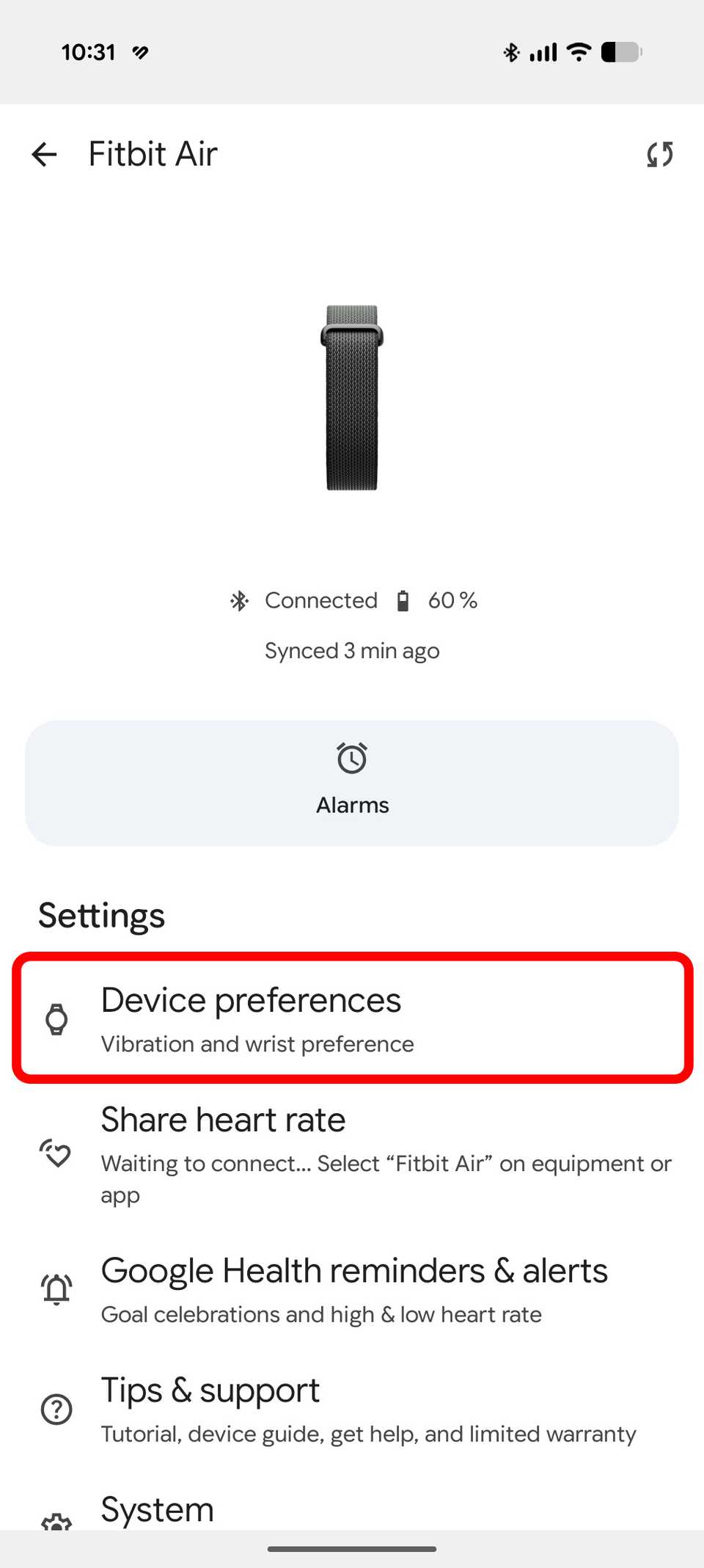
The Fitbit Air's appeal lies in its absence of a screen and its 35 x 17 x 8.3mm module, which weighs little enough to be forgotten after two nights. Its 7-day battery outlasts the 4–5 days from a Huawei Watch GT 4, and a few minutes on the charger while showering restores a quarter to a third of the charge. Water resistance to 50 meters means sweat and grime are non-issues. The user bought it specifically because the Huawei's metallic casing banged into walls and a sleeping spouse, and its weight left deep indentations on the wrist. The Air's strap-free design solved those complaints—until the sleep tracking failures started.
The One Toggle That Changed Everything
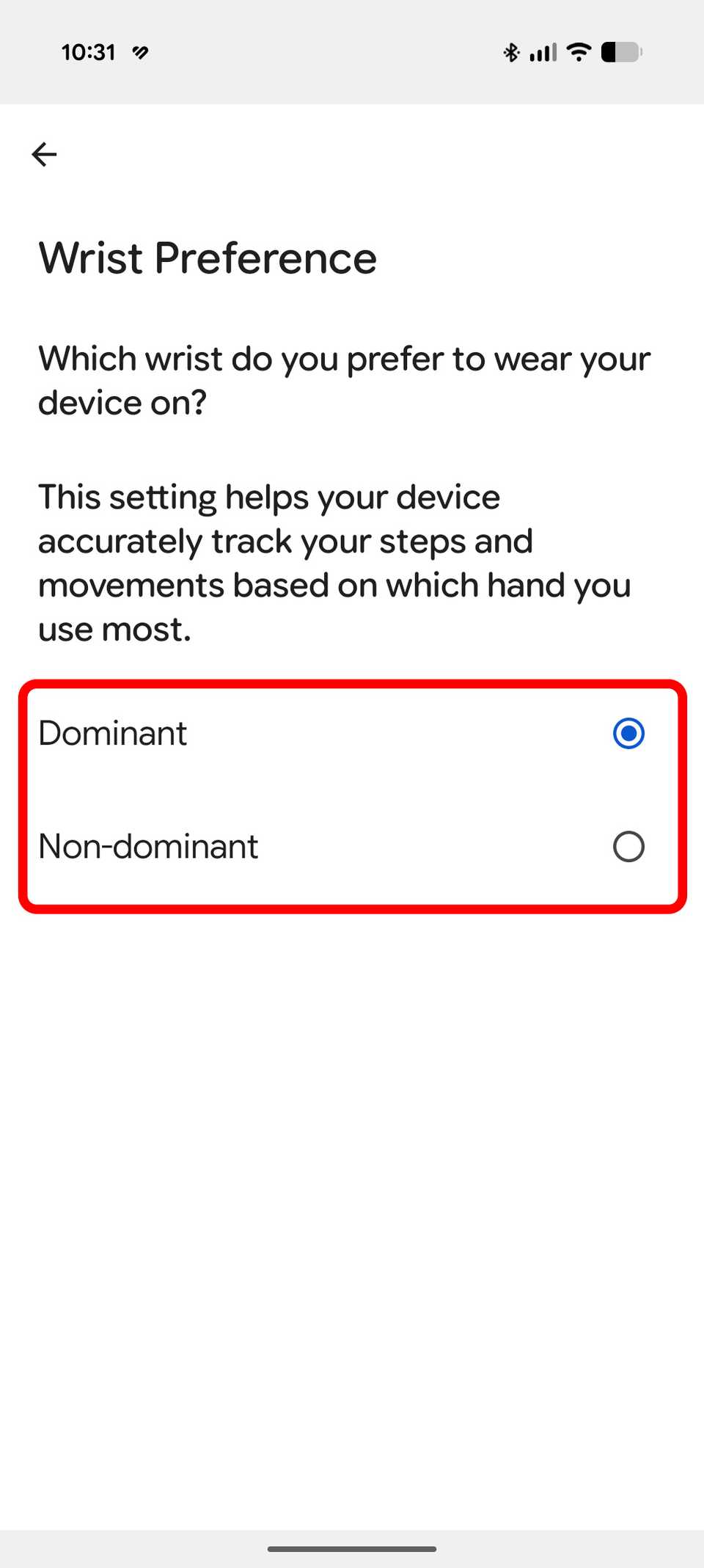
He had worn the Air on his left wrist with the app set to Non-dominant. After switching the band to his right wrist and toggling the setting to Dominant, the next several nights showed complete sleep sessions, including middle-of-the-night bathroom trips properly tagged as awake or restlessness. Deep sleep and REM cycles appeared within those interruptions, where the app had previously shown empty gaps. The change was immediate and persistent. The user's theory: a dominant arm makes subtle movements during sleep, giving the 3-axis accelerometer richer cues to distinguish a real wake-up from tossing and turning.
If Switching Wrists Isn't Your Fix
The wrist-preference toggle is not a universal solution. Strap tightness matters: a band strapped too snugly can choke the optical heart rate sensor and reduce motion detection accuracy. The user swapped the stock fabric band for a third-party rubber strap, which performed identically while resisting sweat and dirt. Sliding the tracker an inch or two up the forearm, away from the wrist bone, can also improve sensor readings. For lost hours, the Google Health app's manual logging feature accepts only a start and end time—no sleep-stage editing, no import from other wearables. These workarounds fall short of a true fix, but they beat returning a device that otherwise delivers on its battery and comfort promises.
The Trade-off of a Dominant Wrist
Wearing the Fitbit Air on the dominant wrist feels foreign for anyone accustomed to a watch on the non-dominant side. The featherweight build eases the adjustment, and the wearer frequently forgets the band is there. That minor inconvenience is a deliberate price for reliable health data. The alternative—ignoring the fix and hoping for a future software patch—means accepting truncated sleep logs and misleading scores. The wearer reports that even with the toggle corrected, the underlying issue deserves a definitive firmware solution, not a per-user setting buried in the app. For now, the Air stays on the right wrist, and the sleep data stays intact.