What is Nike's Hybrid collection?
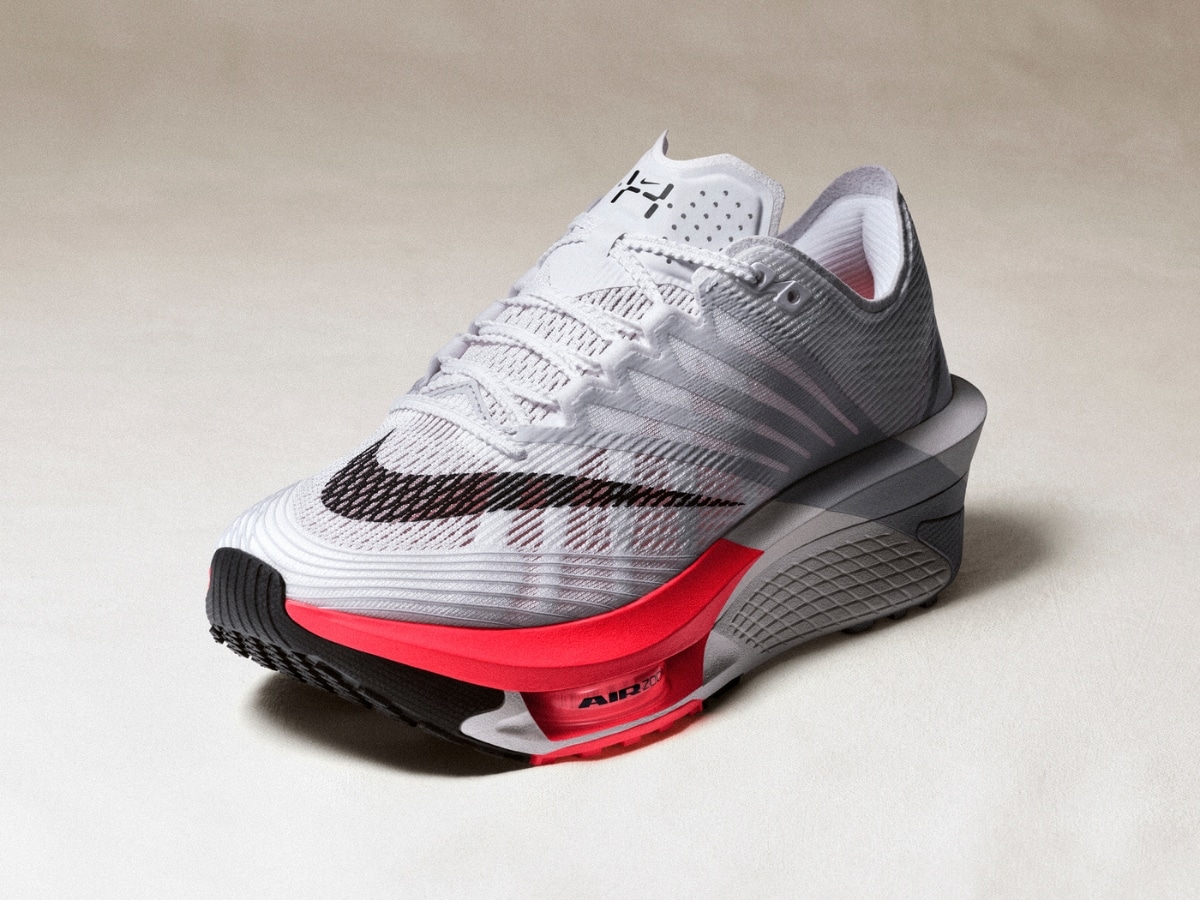
Nike's Hybrid range is a two-shoe system designed for the HYROX hybrid racing format, where athletes alternate between running lanes and strength stations. The Hybrid Fly handles competition day with ZoomX foam, a full-length carbon Flyplate, and dual forefoot Air Zoom units. The Hybrid RN covers training sessions using ReactX foam and a single forefoot Air Zoom unit. World champion hybrid athlete Dylan Scott contributed to the system's development. Nike built the range to solve a problem athletes have faced for years: running shoes feel fast but slide under the squat rack, while training shoes stay planted but feel heavy on the run. Rather than compromise one model for both tasks, the company split the work across two purpose-built shoes. The Hybrid RN launches in China on 24 September before its global release on 8 October. The Hybrid Fly follows in April 2027.
What makes the Hybrid Fly different from the Hybrid RN?
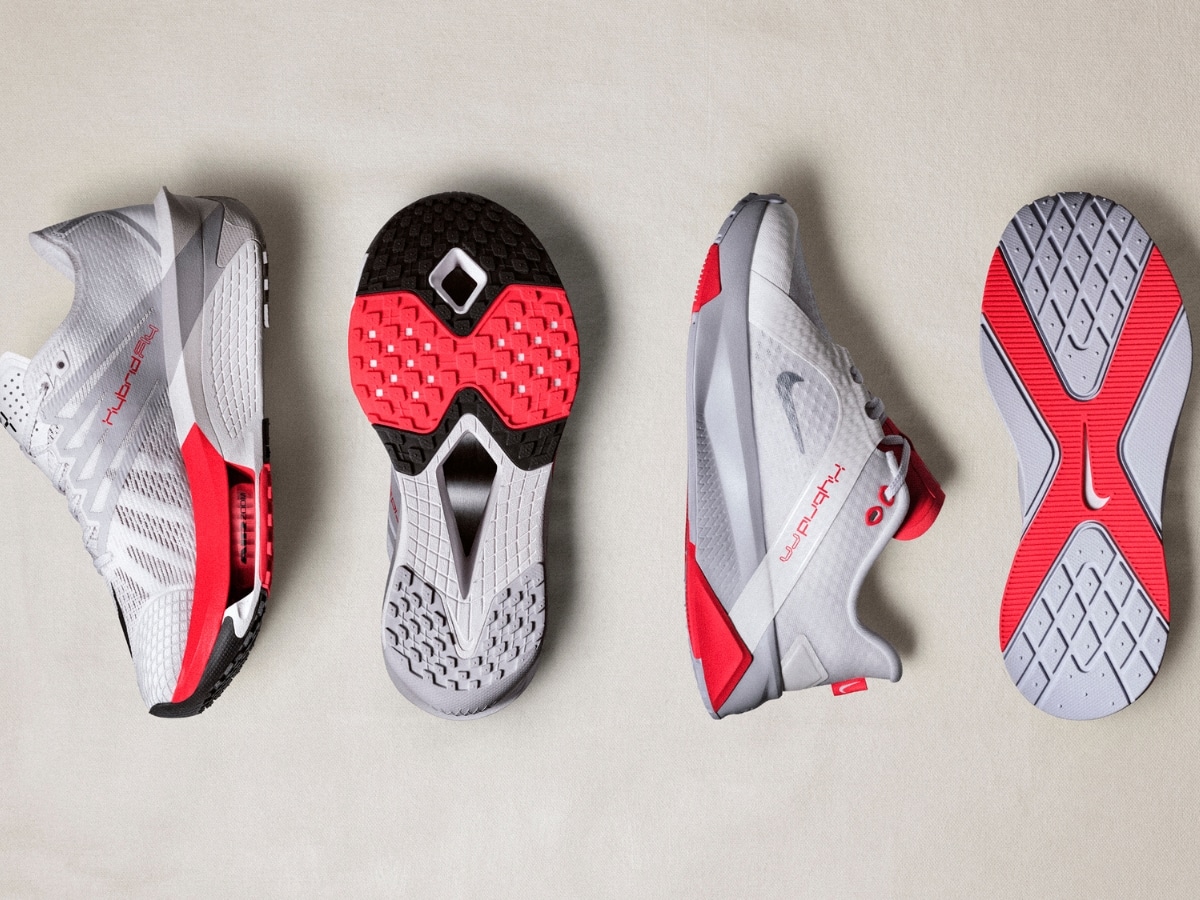
The Fly and RN split the same problem in opposite directions. The Fly starts with race-day propulsion — ZoomX foam, a carbon Flyplate, dual forefoot Air Zoom units — then adds the base width, sidewall wraps and lockdown laces a strength station demands. The RN starts with the broad, stable shape of a training shoe and adds just enough running technology (ReactX foam, one Air Zoom unit at the forefoot) to keep athletes moving between lifts without changing shoes. Nike developed both with input from elite and everyday hybrid athletes, including world champion Dylan Scott, and drew on a similar division of labour to New Balance SuperComp Rebel and Elite sneakers that split faster training from race day. The difference is not which shoe is better but which session each one fits: the RN handles the training block where durability and versatility matter, while the Fly is built for the day the stopwatch starts running.
When do the Hybrid shoes release?
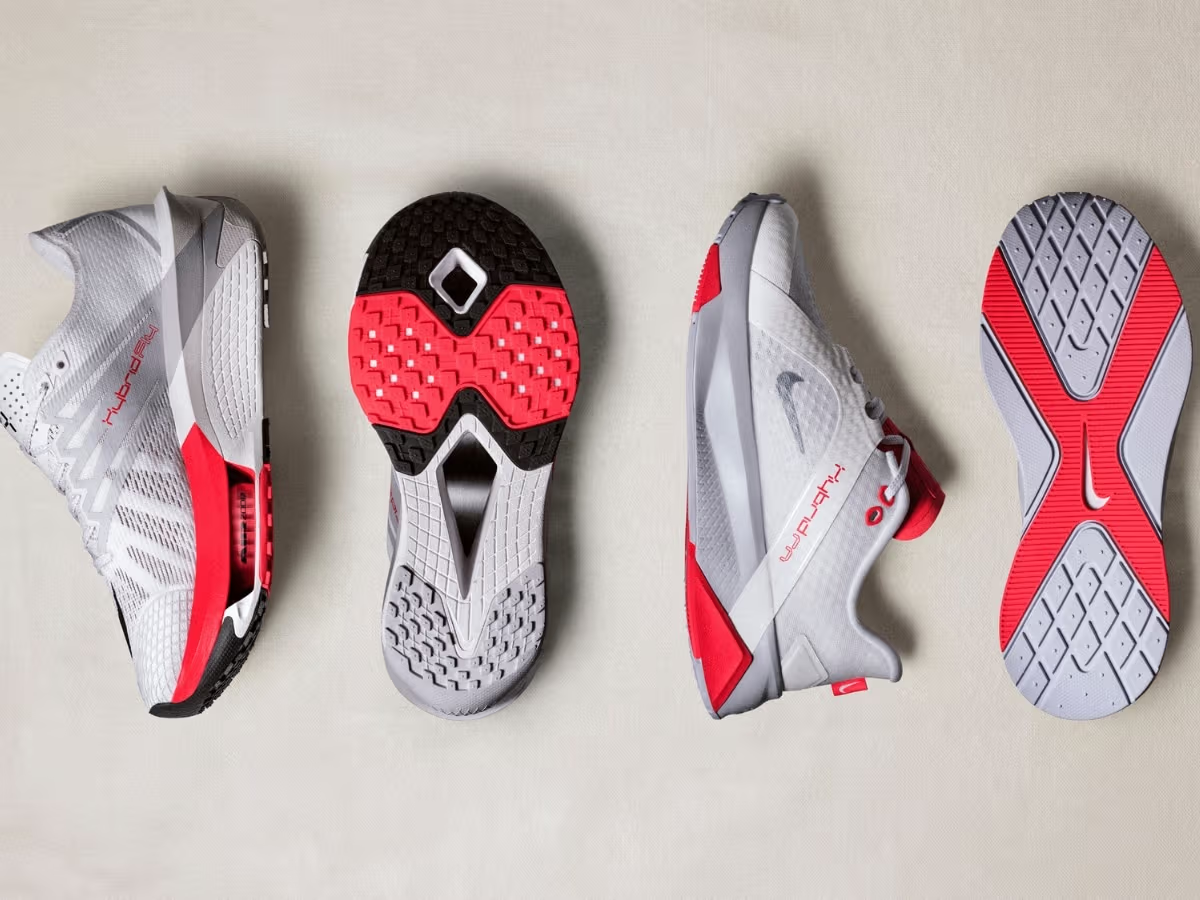
The two shoes launch six months apart. The Hybrid RN arrives first — China on 24 September, global on 8 October through Nike and selected retailers. The Hybrid Fly does not land until April 2027, giving Nike time to refine the race-day model before the next competition season. Australian pricing and specific local retail details have not been confirmed for either shoe, and Nike has not announced pricing for any market yet. Athletes planning to pick up both will need to wait closer to each launch date for cost details. The staggered release makes sense given the shoes' different roles: the RN is built for everyday training sessions where athletes cycle between running and lifting, while the Fly targets competition day with its ZoomX foam, carbon Flyplate and dual forefoot Air Zoom units. The Fly's wider base, sticky four-zone traction and sidewall wraps are designed to keep athletes stable through strength stations without sacrificing the propulsion of a plated racer. For athletes building toward a HYROX event, the RN arrives in time for the training block, while the Fly follows closer to race season.
What technology is in the Hybrid Fly?
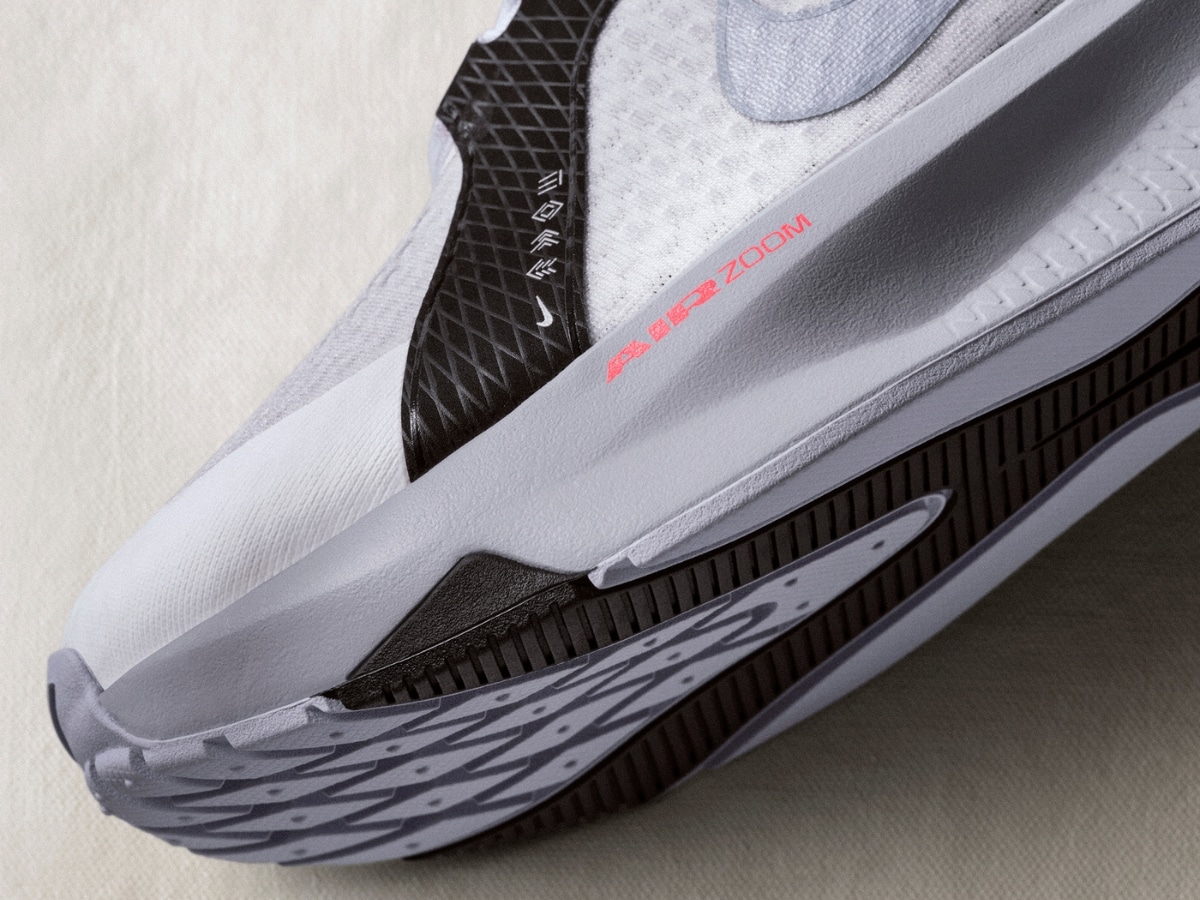
The Hybrid Fly is built around three layers of cushioning and propulsion. ZoomX foam — Nike lightest and most responsive — compresses under impact and rebounds to return energy, keeping the shoe feeling fast through long race efforts. A full-length carbon Flyplate sits inside the midsole, adding rigidity and propelling the athlete forward through each stride. What makes this stack work for HYROX and not just a road race is the stability engineering wrapped around it: sidewall wraps that reduce foot movement during loaded exercises, lockdown laces that hold through directional changes, and sticky four-zone traction across the outsole. These details address the core problem hybrid athletes face — a traditional plated racer delivers speed but wobbles under a squat bar or sled, while a training shoe stays planted but lacks propulsion. The Fly pairs race-day cushioning with the grip, containment and base width of a trainer to close that gap.
Is the Hybrid RN a running shoe or a training shoe?
Nike describes the Hybrid RN as a training shoe you can actually run in. That distinction matters because most training shoes prioritise stability at the expense of running comfort, while running shoes sacrifice the planted base athletes need under load. The RN sits in the middle. ReactX foam underpins the midsole, paired with one Air Zoom unit at the forefoot that adds responsiveness on the run without the propulsion-heavy setup of a plated racer. X-shaped upper overlays add containment for lateral movement, while the broad, stable shape gives athletes the confidence to move between running, lifting and station work without making constant foot adjustments. Nike positions the RN as the shoe athletes reach for during the training block between races — the sessions where durability and versatility matter more than shaving seconds off a split. It handles running, lifting and dynamic work in a single session, which is exactly what a HYROX training day looks like: one kilometre on the treadmill, then a strength station, then back to the treadmill, repeated for the duration of the workout.
Do you need both Hybrid shoes?
Nike's two-shoe system is built on a philosophy borrowed from road running: use different shoes for training and racing. New Balance does the same thing with its SuperComp Rebel and Elite sneakers, splitting faster training from marathon race day. Nike developed both Hybrid models with input from elite and everyday hybrid athletes, including world champion Dylan Scott, who helped shape what each shoe needs to do. The division is specific to HYROX's format, where athletes run one kilometre between eight strength stations — all in the same pair of shoes. The RN handles every training session leading up to race day: the treadmill intervals, the sled pushes, the lifting blocks where athletes are building capacity without a stopwatch running. The Fly is the shoe that comes out when performance matters — race day, when every second on the running lane counts and athletes still need to stay planted through wall balls and burpees. Whether an athlete needs both depends on how seriously they take the distinction between training and competing. Casual hybrid athletes may find the RN covers everything they do. Athletes chasing podiums will want the Fly's carbon plate and ZoomX stack under them when the clock starts.